Category: Financial Mindset

  • Best Free Budgeting Tools for Stress-Free Money Management 2026

    Best Free Budgeting Tools for Stress-Free Money Management 2026

    In today’s fast-paced world, managing finances can often feel overwhelming. However, with the right tools, maintaining a budget doesn’t have to be a source of stress. As we look to 2026, the landscape of free budgeting tools has evolved to offer more intuitive and powerful options that help you achieve financial harmony effortlessly. This guide explores the best free budgeting tools available, designed to streamline your money management and support your long-term wealth-building goals.

    Quick Answer: If you’re looking for a comprehensive tool that balances simplicity with powerful features, our top pick is YNAB (You Need a Budget). Its user-friendly interface and focus on proactive financial planning make it a standout choice for individuals seeking stress-free money management.

    Top Free Budgeting Tools 2026

    1. YNAB (You Need a Budget)

    YNAB remains a favorite for its straightforward approach to budgeting. It excels in helping users allocate every dollar they earn, promoting proactive financial management. With real-time syncing across devices and an easy-to-navigate interface, YNAB ensures you stay on top of your finances without the hassle. Its educational resources also help users understand their spending habits and improve their financial literacy.

    2. Mint

    Mint is a veteran in the budgeting tool space, known for its comprehensive financial tracking and analysis features. It automatically categorizes transactions from linked bank accounts, credit cards, and investments, giving you a clear view of your financial health. Mint also offers personalized financial advice, making it a great choice for those looking to streamline their expenses and make informed spending decisions.

    3. Personal Capital

    For individuals interested in both budgeting and investment tracking, Personal Capital provides a robust solution. This tool offers detailed insights into your spending, investments, and net worth. Its intuitive dashboard helps you monitor your financial life at a glance, making it easier to plan for long-term wealth building. The investment analysis features are particularly beneficial for users who want to optimize their portfolios.

    4. PocketGuard

    PocketGuard focuses on simplicity and ease of use, making it ideal for users who prefer minimalistic interfaces. The app tracks your income and expenses, automatically calculating how much disposable income you have after covering essentials and savings goals. This “in my pocket” feature helps prevent overspending by providing a clear picture of your available funds.

    5. Goodbudget

    Goodbudget employs the envelope budgeting method, which is perfect for users who prefer a hands-on approach to money management. It allows you to allocate funds into virtual envelopes, ensuring you don’t overspend in any category. Goodbudget’s emphasis on planning and discipline makes it a valuable tool for those who want to maintain financial harmony through conscious spending.

    Comparison of Features

    Tool Best For Key Features
    YNAB Proactive Budgeting Real-time syncing, educational resources
    Mint Comprehensive Tracking Automatic transaction categorization, personalized advice
    Personal Capital Budgeting & Investment Investment analysis, net worth tracking
    PocketGuard Simple Budgeting Disposable income tracking, minimalistic interface
    Goodbudget Hands-on Management Envelope budgeting method

    In choosing the best free budgeting tool for 2026, consider your personal financial goals and how each tool aligns with them. YNAB is perfect for those who want a proactive approach, while Mint is suited for users needing comprehensive tracking. Personal Capital offers a dual focus on budgeting and investments, ideal for those with complex financial portfolios. If simplicity is your priority, PocketGuard is a great option, and for those who prefer a tactile budgeting experience, Goodbudget offers the envelope method. Whichever tool you choose, each of these options can help you achieve stress-free money management and support your journey towards financial harmony.

    Photo by Katie Harp on Unsplash

  • Future Trends in Sustainable Finance

    Future Trends in Sustainable Finance

    Let’s dive into a topic that’s not only shaping the financial landscape but also our planet’s future: sustainable finance. We’re talking about an area where money meets morals, where your investment choices could impact climate change and social equity. This isn’t just a trend; it’s becoming a movement, and understanding these future trends is crucial if you’re aiming for that calm, steady wealth growth.

    What is Sustainable Finance?

    Sustainable finance is essentially any form of financial service that incorporates environmental, social, and governance (ESG) criteria into business or investment decisions. The goal is to foster long-term growth while considering the planet and its people. Sounds good, right? But how exactly does this translate into practice?

    Green Bonds and Their Growing Popularity

    One of the most talked-about instruments in sustainable finance is the green bond. These are essentially loans that fund projects with positive environmental benefits, like renewable energy or sustainable agriculture. They’ve been around for over a decade, but their popularity is skyrocketing as more companies and governments recognize their dual benefits: financial returns and environmental impact.

    For instance, companies like Apple and governments like France have issued green bonds to fund their sustainability initiatives. The global green bond market reached over $500 billion in 2020, and it’s projected to grow even more. If you’re interested in aligning your investments with your values, green bonds could be a compelling option.

    ESG Investing — Beyond the Buzzword

    ESG investing isn’t just about feeling good about where your money goes. It’s also about managing risk and uncovering opportunities. Companies with strong ESG metrics often show resilience in face of market volatility. For example, during the COVID-19 pandemic, many ESG-focused funds outperformed traditional indices due to their robust risk management practices.

    Investors are increasingly scrutinizing companies’ ESG practices, and it’s not just individuals. Institutional investors, who manage large sums of money like pension funds, are also prioritizing ESG factors. This shift is driving companies to adopt more sustainable practices, creating a ripple effect throughout the economy.

    Impact Investing — Making a Difference

    Impact investing goes a step further by targeting specific outcomes. Whether it’s reducing carbon footprints or promoting gender equality, impact investors seek measurable social or environmental returns alongside financial ones. This isn’t philanthropy; it’s strategic investing with a conscience.

    Take the example of the Rise Fund, which invests in companies that aim to tackle global challenges like healthcare and education. By 2022, they had invested over $5 billion in companies with measurable impact on society and the environment. If you’re looking to make a tangible difference with your investments, this might be the avenue for you.

    Tech Innovations in Sustainable Finance

    Technology is playing a pivotal role in advancing sustainable finance. From blockchain ensuring transparency in carbon credits to AI analyzing ESG data, tech is making it easier to track and validate the impact of financial decisions.

    One exciting development is the use of fintech platforms that enable micro-investing in sustainable projects. Apps like Acorns or Betterment now offer users the option to invest spare change into ESG funds, democratizing access to sustainable investing for the everyday individual.

    Challenges and Opportunities Ahead

    Of course, sustainable finance isn’t without its challenges. The lack of standardization in ESG metrics and greenwashing—where companies exaggerate their sustainability efforts—pose significant hurdles. However, these challenges also present opportunities for innovation and improvement. As the demand for transparency grows, so does the potential for new solutions and standards to emerge.

    Moreover, policy changes like the European Union’s Green Deal are setting the stage for more robust frameworks, which could accelerate the integration of sustainable practices across industries.

    How You Can Get Involved

    If you’re eager to jump on the sustainable finance bandwagon, start by assessing your current portfolio. Consider reallocating funds to ESG-focused or impact investing opportunities. Look for funds or bonds that align with your values, and stay informed about new developments in the sector.

    Remember, building wealth calmly and sustainably is about aligning your financial goals with broader societal goals. It’s about making choices today that will bear fruits tomorrow, for both your wallet and the world.

    So, what do you think? Ready to explore how your money can make a difference? It’s an exciting journey, and we’re just getting started.

    Photo by BoliviaInteligente on Unsplash

  • Advanced Strategies for Sustainable Wealth Growth

    Advanced Strategies for Sustainable Wealth Growth

    Understanding sustainable wealth growth is more than just a financial strategy—it’s a holistic approach to managing money with an eye on long-term stability and ethics. When we talk about sustainable wealth, we’re discussing the art of growing your financial assets while staying true to personal values and ethical standards. This journey requires a mix of strategic planning, informed decisions, and a touch of mindfulness.

    Mapping Your Financial Ecosystem

    The first step in crafting a sustainable wealth system is to map out your financial ecosystem. Think of this as creating a detailed landscape of your current financial situation. Start by evaluating all your income sources, expenses, assets, and liabilities. This can be as simple as sitting down with a spreadsheet or using a financial planning app to visualize your cash flow.

    Example — Balancing Income Streams

    Consider Sarah, who works full-time as a graphic designer. To ensure her wealth grows sustainably, she diversifies her income by freelancing on the side and investing in index funds. By balancing her time between a stable job and side projects, Sarah not only secures her present needs but also sets the stage for future financial independence.

    The Role of Ethical Investing

    Investing ethically doesn’t mean sacrificing returns. In fact, many ethical investments perform well over the long term. The key is to identify companies and funds that align with your values—be it environmental sustainability, social justice, or corporate responsibility.

    Case Study — Green Investments

    Take the example of GreenTech Innovations, a company specializing in renewable energy solutions. Investors who prioritize environmental sustainability might choose to invest in GreenTech not just for potential profits, but also to support a shift towards eco-friendly energy sources. Over time, as the demand for green energy rises, so too does the company’s value, benefiting both the planet and the investors.

    Integrating Passive Income Streams

    Passive income is a cornerstone of sustainable wealth growth. It allows you to earn money with minimal active work, freeing you to focus on other pursuits or to reinvest in your financial ecosystem. Think rental properties, dividend stocks, or creating digital products.

    Real-World Scenario — Digital Products

    Consider an aspiring author who publishes e-books on financial literacy. Each sale provides a trickle of income, which, when combined with other passive sources, creates a steady flow. This approach not only diversifies income but also leverages existing knowledge and skills.

    Building a Resilient Financial Mindset

    A sustainable wealth system isn’t just about money; it’s also about mindset. Cultivating a resilient financial mindset involves embracing adaptability, continuous learning, and a long-term perspective. This mindset helps navigate financial uncertainties with confidence.

    Practical Example — Embracing Change

    John, a software engineer, faced a major setback when his company downsized. Instead of panicking, he viewed this as an opportunity to learn new skills and transition into a role within a burgeoning tech startup. His adaptability not only preserved his financial stability but also opened doors to new growth avenues.

    Committing to Continuous Learning

    The financial world is ever-evolving, and staying informed is crucial for sustainable wealth growth. This doesn’t mean you need to become a financial expert overnight. Instead, commit to continuous learning by reading books, attending webinars, or following reputable financial blogs.

    Example — Financial Book Clubs

    Joining a financial book club can provide both knowledge and community support. Discussing concepts from books like ‘The Intelligent Investor’ or ‘Rich Dad Poor Dad’ with peers can offer new insights and strategies that you might not have considered alone.

    Cultivating Patience and Discipline

    Finally, sustainable wealth growth is a marathon, not a sprint. It requires patience and discipline to stick with your strategy through market fluctuations and personal challenges. By setting realistic goals and celebrating small victories, you maintain motivation and a sense of progress.

    Remember, building a sustainable money system isn’t just about accumulating wealth for wealth’s sake. It’s about creating a lifestyle that supports your goals, aligns with your values, and prepares you for the future. With the right strategies, you can enjoy a financial journey that’s as rewarding as the destination.

    Photo by Evangeline Shaw on Unsplash

  • Case Study: Transitioning to a Sustainable Spending Model

    Case Study: Transitioning to a Sustainable Spending Model

    Picture this: you’re standing at a crossroads of your financial journey, looking to make a change that doesn’t just last a few weeks but transforms your life for the better. That’s where a sustainable spending model comes into play—it’s not about limiting joy, but about maximizing value and ensuring that your financial habits align with your long-term goals.

    Understanding the Sustainable Spending Model

    At its core, a sustainable spending model is about creating a financial system that supports your lifestyle without leading to debt or unnecessary stress. It’s a strategic approach, grounded in the principles of mindful spending and intentional living. Instead of arbitrary cuts to your budget, it focuses on aligning your expenses with your values and long-term objectives.

    From Theory to Practice — A Real-Life Transition

    To illustrate the power of this model, let’s explore the journey of Emily, a 35-year-old marketing professional. Frustrated by living paycheck to paycheck despite a decent salary, Emily decided it was time to reassess her financial habits. Her goal was clear: to achieve financial stability without sacrificing her current lifestyle.

    The Initial Steps — Reflect and Plan

    Emily began by conducting a thorough reflection on her spending patterns. She realized that a significant portion of her income was going towards unplanned dining out and impulsive online shopping. With this insight, she crafted a plan that prioritized her financial goals over immediate gratification.

    She set aside a weekend to categorize her expenses over the past six months, organizing them into essentials, non-essentials, and savings. This exercise revealed some startling insights: she was spending more on transient pleasures than on meaningful experiences or future security.

    Implementing the Change — Small Adjustments, Big Impact

    Armed with this knowledge, Emily decided to implement small but impactful changes. She started by setting a monthly limit for dining out and opted for meal prepping, which not only saved money but also contributed to a healthier lifestyle. For shopping, she created a 48-hour rule before making any purchase, allowing her time to assess the necessity and value of each item.

    Perhaps the most important shift was in her mindset. Emily began to see spending as a tool to support her desired lifestyle rather than a means to fill immediate desires. This shift helped her to save more intentionally, setting aside a fixed percentage of her income each month towards an emergency fund and future investments.

    The Results — Financial Peace and Purpose

    After a year of adhering to this sustainable spending model, Emily noticed remarkable changes. She had amassed a comfortable emergency fund, reduced her credit card debt significantly, and even started investing in index funds with the guidance of a financial advisor. Her anxiety about finances diminished, replaced by a sense of control and peace.

    Moreover, Emily found that by aligning her spending with her values, she was not only more content but also more intentional about her life’s direction. She had more time and resources to dedicate to hobbies and experiences that genuinely enriched her life, like traveling and attending workshops that aligned with her career goals.

    Actionable Insights for Your Financial Journey

    Emily’s story offers several actionable insights for anyone looking to transition to a sustainable spending model:

    • Reflect on Your Spending: Regularly review your expenses to understand where your money goes and identify areas for improvement.
    • Set Clear Goals: Define what financial success looks like for you and create a plan that supports these goals.
    • Make Incremental Changes: Start with small adjustments that are easy to maintain, gradually building towards more significant financial habits.
    • Align Spending with Values: Ensure that your purchases and expenditures reflect what’s truly important to you.
    • Build a Supportive Environment: Surround yourself with resources and people that encourage and support your financial goals.

    By adopting a sustainable spending model, you can reclaim control over your finances and set the stage for long-term wealth building. Remember, it’s not about making drastic changes overnight but about cultivating habits that lead to a more secure and fulfilling financial future.

    Photo by Thomas Kinto on Unsplash

  • Reducing Financial Waste: Simple Lifestyle Changes

    Reducing Financial Waste: Simple Lifestyle Changes

    Have you ever looked at your bank statement at the end of the month and wondered where all your money went? It’s a common scenario, and often, the culprit is financial waste — those little expenses that seem insignificant in the moment but add up over time. Let’s dive into how you can make simple lifestyle changes to reduce financial waste and boost your savings.

    Understanding Financial Waste

    Financial waste can be defined as unnecessary or excessive spending that doesn’t add significant value to your life. It’s the money spent on items or services that we could either do without or replace with more cost-effective alternatives. Think of that gym membership you never use or the subscription services you forgot to cancel. Identifying these areas in your spending habits is the first step toward minimizing financial waste.

    Track Your Spending

    Before you can cut down on waste, you need to know where your money is going. Start by tracking your expenses for a month. Use a notebook, a spreadsheet, or an app — whatever works best for you. The goal here is to get a detailed picture of your spending habits. Are there patterns? Do certain categories like dining out or entertainment consistently exceed your budget?

    Real-Life Example

    Consider Sarah, a new college graduate who realized she was spending over $200 a month on coffee shop visits. By investing in a quality coffee machine and learning to brew her favorite drinks at home, she saved over $150 each month. Small changes like this can make a big difference.

    Embrace Minimalism

    Adopting a minimalist approach doesn’t mean you have to live with the bare minimum. Instead, focus on quality over quantity and prioritize spending on things that truly matter to you. This mindset shift can help reduce impulse purchases and encourage more intentional spending.

    Declutter and Reevaluate

    Look around your home. Are there items you haven’t used in months? Consider selling or donating them. This not only clears your space but can also provide a small financial boost. Moreover, it encourages a habit of questioning future purchases: ‘Do I really need this, or will it end up as clutter?’

    Make Conscious Choices

    Every time you make a purchase, ask yourself if it’s a want or a need. This simple question can help you pause and consider the long-term impact of your spending. It’s about being mindful and making choices that align with your financial goals.

    Consider Alternatives

    Before buying something new, consider alternatives. Can you borrow, rent, or find a used version of the item? Websites like Craigslist or Facebook Marketplace can be treasure troves for gently used items at a fraction of the cost.

    Automate Savings

    One of the easiest ways to ensure you’re saving money is to automate it. Set up a recurring transfer from your checking account to your savings account each month. Treat your savings like a non-negotiable expense. This method helps you prioritize saving and reduces the temptation to spend extra cash.

    Case Study — Automated Success

    Meet John, who struggled with saving consistently. By setting up an automatic transfer of $100 to his savings account on payday, he managed to save $1,200 in a year without even thinking about it. Automation can transform your savings habit into a seamless part of your budget.

    Reduce Utility Costs

    Simple adjustments in your daily routine can lower your utility bills. Turn off lights when you leave a room, unplug electronics when not in use, and consider energy-efficient appliances. These small changes not only save money but also contribute to a more sustainable lifestyle.

    Negotiate Your Bills

    Don’t be afraid to negotiate with service providers for lower rates. Whether it’s your internet, cable, or cell phone bill, a quick call can often result in discounts or promotional rates. Be prepared with competitor prices to make your case stronger.

    Reconsider Eating Out

    Dining out can be one of the biggest sources of financial waste. While enjoying a meal at a restaurant is a nice treat, frequent dining can drain your finances. Try meal planning and cooking at home more often. Not only is it typically healthier, but it’s also significantly cheaper.

    Plan for Special Occasions

    Instead of making dining out a regular habit, reserve it for special occasions. This makes each outing more memorable and allows you to allocate more of your budget towards experiences or items that bring long-term joy and satisfaction.

    By implementing these simple lifestyle changes and focusing on reducing financial waste, you can increase your savings and work towards building a more sustainable financial future. Remember, it’s not about depriving yourself but rather making conscious decisions that align with your goals. Little by little, these changes will add up, leading to greater financial security and peace of mind.

    Photo by Brett Jordan on Unsplash

  • Green Investing: How to Align Your Portfolio with Your Values

    Green Investing: How to Align Your Portfolio with Your Values

    Imagine your investment portfolio as a reflection of your values, where each dollar supports companies and industries that align with your principles. Welcome to the world of green investing, where financial growth and positive impact go hand-in-hand.

    Understanding Green Investing

    Green investing, also known as sustainable or socially responsible investing, focuses on putting your money into companies that prioritize environmental sustainability, social responsibility, and ethical governance. It’s about making investment choices that support the planet while also potentially yielding financial returns. Think of it as voting with your dollars for the kind of world you want to live in.

    Why Consider Green Investing?

    Many investors are drawn to green investing not just for ethical reasons but because they believe it offers a viable financial opportunity. Companies that are environmentally responsible are often better prepared to handle future regulations and climate-related risks, which can make them more stable and potentially more profitable in the long run. Additionally, consumer preferences are shifting towards sustainable products, driving growth in eco-friendly sectors.

    Getting Started with Green Investing

    Embarking on a green investing journey might seem daunting, but it doesn’t have to be. Here’s a simple step-by-step guide to help you align your investment portfolio with your values:

    Define Your Values and Goals

    Begin by identifying what matters most to you. Is it renewable energy, reducing carbon emissions, or supporting fair labor practices? Having a clear understanding of your values will guide your investment decisions.

    Research Sustainable Investment Options

    There are various ways to invest sustainably:

    • Mutual Funds and ETFs: Look for funds specifically focused on environmental, social, and governance (ESG) criteria. These funds are managed by professionals who select investments based on sustainability criteria.
    • Individual Stocks: Invest directly in companies that meet your ethical standards. Research companies that are leaders in sustainability within their industries.
    • Green Bonds: These are fixed-income investments specifically earmarked to raise money for climate and environmental projects.

    Evaluate the Performance

    While financial performance is essential, it’s also crucial to assess the impact of your investments. Many platforms provide ESG scores or impact reports that detail how companies are performing against sustainability metrics.

    Real-World Example — The Rise of Renewable Energy Stocks

    Consider the booming renewable energy sector. Over the past decade, companies involved in solar and wind energy have seen significant growth due to increasing demand and technological advancements. For instance, the solar industry has been expanding rapidly, with companies like First Solar and SunPower leading the charge. Investing in these companies not only supports a transition to cleaner energy but also taps into a market poised for continued growth.

    Balancing Risk and Reward

    Like any investment strategy, green investing comes with its own set of risks. Market volatility, regulatory changes, and technological hurdles can impact performance. However, diversifying your portfolio and staying informed can help mitigate these risks. It’s crucial to balance your ethical preferences with financial prudence, ensuring a well-rounded investment approach.

    Final Thoughts — Investing with Impact

    Green investing offers a unique opportunity to align your financial goals with your personal values. By investing in sustainable companies, you’re not only aiming for financial returns but also contributing to a better future. Remember, every investment decision you make has the power to shape the world around you.

    Ready to start your green investment journey? Dive deeper into specific sectors, consult with financial advisors familiar with sustainable investing, and keep an eye on emerging trends. Your portfolio can be a powerful tool for change, reflecting your commitment to a sustainable and prosperous world.

    Photo by Towfiqu barbhuiya on Unsplash

  • Blueprint for a Personalized Sustainable Budget

    Blueprint for a Personalized Sustainable Budget

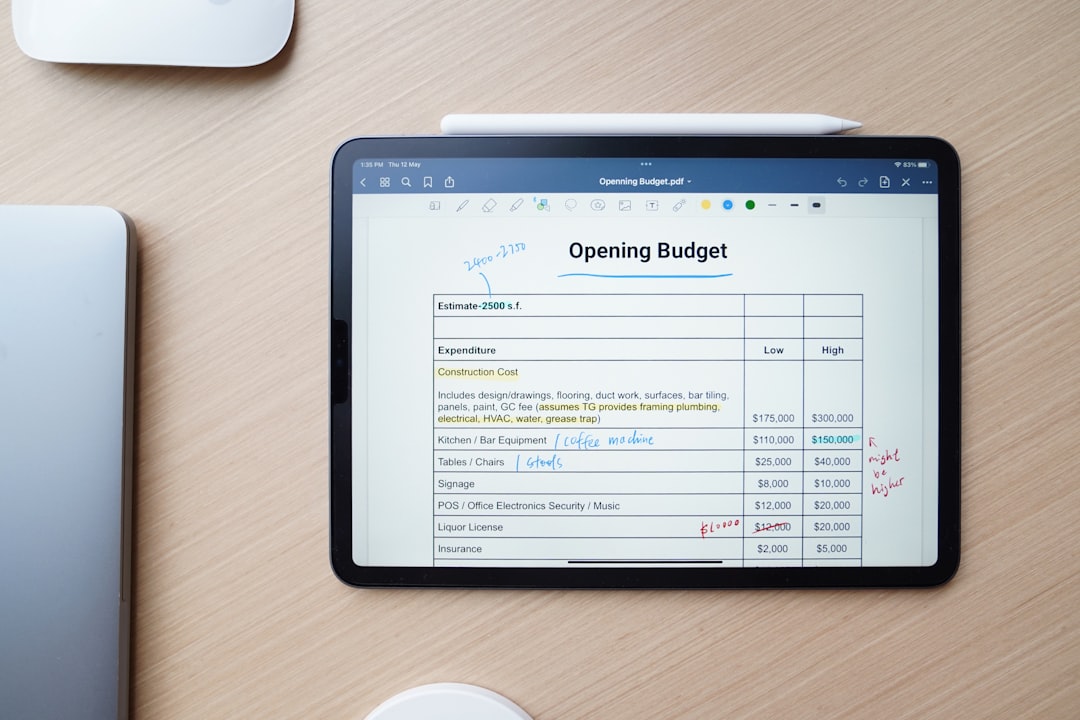
    Ever feel like your budget doesn’t quite fit? Like a sweater that’s either too tight or too loose, an ill-fitting budget can make financial planning uncomfortable and unsustainable. Creating a budget that truly aligns with your personal values and sustainability goals isn’t just a pipe dream—it’s entirely possible. Let’s dive into how you can build a personalized budgeting blueprint that works for you in the long run.

    Understanding Your Financial Values

    The first step to building a sustainable budget is understanding what really matters to you financially. This isn’t about what society tells you should matter, but what genuinely impacts your happiness and sense of well-being. Are you passionate about travel, or is homeownership your dream? Maybe supporting charitable causes is your top priority. Identifying these core values will help guide your spending decisions and ensure your budget supports your ultimate goals.

    Consider using a values inventory exercise where you list out all the things that are important to you and rank them. This exercise might reveal, for instance, that you value experiences over material possessions, or that financial security is your top priority. With these insights, you can allocate your resources more effectively.

    Setting Clear, Attainable Goals

    Once you’ve pinpointed your values, it’s time to set some financial goals. These should be clear and attainable, acting as stepping stones towards your broader life ambitions. For example, if your ultimate goal is achieving financial independence, you might start by setting a goal to save a specific amount each month or to increase your passive income streams.

    Here’s a practical tip: break down larger goals into smaller, more manageable tasks. Suppose you want to save $10,000 in a year. That might sound daunting, but breaking it down to approximately $833 a month or about $192 a week makes it more achievable. Tracking your progress on these smaller goals can keep you motivated and on track.

    Crafting a Flexible Spending Plan

    A rigid budget can be as uncomfortable as a pair of shoes that don’t fit. Flexibility is key. Consider using the 50/30/20 rule as a starting point: allocate 50% of your income to necessities, 30% to discretionary spending, and 20% to savings or debt repayment. This guideline is adaptable and can be tweaked based on your values and goals.

    Let’s say, for instance, you value sustainability and want to invest in eco-friendly products. You might adjust your discretionary budget to favor sustainable goods, even if they come at a premium, and cut back on other less important expenses.

    Monitoring and Adjusting Your Plan

    Creating a budget is not a one-time task. Life changes, and so should your financial plan. Regularly reviewing and adjusting your budget ensures it stays aligned with your goals and values. Set aside time each month to assess your spending and make necessary adjustments. Did you spend more on dining out than expected? Perhaps it’s time to tweak your meal planning or dining budget.

    Use budgeting tools or apps to make this process easier. Apps like You Need a Budget or Mint offer intuitive interfaces for tracking expenses and visualizing spending trends. They can provide insights into areas where adjustments are needed.

    Incorporating Sustainability Goals

    Budgeting with sustainability in mind isn’t just about saving money—it’s about aligning your financial practices with your environmental and social values. Consider incorporating strategies that support sustainable living, such as reducing energy consumption, investing in renewable energy stocks, or supporting companies with ethical business practices.

    For example, if you’re passionate about reducing waste, you might allocate some of your budget towards purchasing reusable products or supporting local farmers’ markets. These decisions not only help the planet but often lead to cost savings over time.

    Real-Life Example — Sarah’s Story

    Let’s look at a real-life scenario. Sarah, a 30-year-old graphic designer, found her previous budgeting approaches left her stressed and unsatisfied. She valued travel and sustainability but felt guilty about her spending habits. By reassessing her financial values, she realized she could cut back on non-essential fashion purchases and redirect those funds towards eco-friendly travel gear and experiences.

    Sarah adopted a flexible budget, allowing for spontaneous travel opportunities while ensuring she met her savings goals. By using a budgeting app, she tracked her progress and adjusted her plan as needed. Over time, not only did her savings grow, but she also felt more aligned with her values, leading to a more fulfilling financial life.

    Taking Action

    Crafting a personalized and sustainable budget is an ongoing journey. It requires self-reflection, planning, and periodic adjustments. Remember, your budget should evolve as your life does. By staying true to your values and goals, you’re more likely to enjoy the process and, ultimately, achieve the financial peace you’re seeking.

    So, grab a pen and paper or open that budgeting app and start building your personalized budget blueprint today. You might just find that financial sustainability is within your reach, bringing you closer to a life financial experts dream about.

    Photo by GoodNotes 5 on Unsplash

  • Introduction to Sustainable Money Systems

    Introduction to Sustainable Money Systems

    Imagine if managing your finances was as effortless as breathing. While it may sound like a dream, creating a sustainable money system can make this a reality. By designing a system tailored to your lifestyle and financial goals, you’ll take control of your wealth-building journey. This guide will introduce you to the principles of a sustainable money system and how you can start crafting one today.

    What is a Sustainable Money System?

    A sustainable money system is not just a budget or a savings plan. It’s a holistic approach to managing your finances, ensuring that your money habits support your long-term goals without overwhelming you. Think of it as your personal financial ecosystem, where every component—from spending to investing—is interconnected and balanced.

    Unlike quick-fix financial strategies, a sustainable money system focuses on longevity and resilience. It’s about building a financial path that adapts to life’s changes while keeping you on track for growth.

    Core Principles of a Sustainable Money System

    To develop a sustainable money system, consider integrating these core principles:

    Consistency Over Perfection

    Consistency in implementing small, manageable financial habits often outweighs the pursuit of perfection. For example, setting up automatic contributions to savings or investments ensures regular growth without needing daily oversight. Remember, it’s better to save a steady amount monthly than to aim for large, irregular contributions.

    Adaptability and Flexibility

    Your financial needs and circumstances will evolve over time. A sustainable money system remains flexible, allowing you to adjust your strategies as needed. Say you receive a raise at work; your system should accommodate increased savings or investment contributions without disrupting your lifestyle.

    Alignment with Personal Values

    Your financial system should reflect what’s important to you. If travel is a priority, incorporate a travel fund into your budget. If sustainability matters, consider investments in eco-friendly funds. Aligning your finances with your values ensures that your money works to enhance your life, not just your net worth.

    Building Your Sustainable Money System

    Now that you understand the principles, let’s explore how to build your sustainable money system step by step.

    1. Assess Your Current Financial Landscape

    Begin by reviewing your current financial situation. List all sources of income, track your expenses, and evaluate your savings and debt. This snapshot will help you identify areas of strength and opportunities for improvement.

    2. Set Clear, Achievable Goals

    Define what financial success looks like for you. Is it early retirement, home ownership, or simply living debt-free? Break these goals into smaller, actionable steps that are easier to achieve and measure. For instance, if your goal is to retire early, calculate how much you need to save annually and adjust your contributions accordingly.

    3. Create a Realistic Budget

    Your budget is the backbone of a sustainable money system. It should reflect your income, essential expenses, and savings goals while leaving room for discretionary spending. Use budgeting tools or apps to help you track and adjust your spending habits. Remember, the goal is to create a budget that you can stick to long-term, not one that feels restrictive.

    4. Automate Your Financial Processes

    Leverage technology to automate savings, bill payments, and investments. Automation reduces the likelihood of human error and ensures consistency. Setting up automatic transfers to your savings account or investment portfolio can help you stay on track without constant manual intervention.

    5. Regularly Review and Adjust

    Your sustainable money system isn’t static. Life events, such as a new job or family changes, can impact your financial situation. Schedule regular reviews to assess your progress and make necessary adjustments. This proactive approach keeps your system aligned with your evolving goals and circumstances.

    Real-Life Examples of Sustainable Money Systems

    Consider the story of Sarah, a young professional who transformed her financial life by implementing a sustainable money system. She started by automating her savings and investments, which allowed her to slowly build a significant emergency fund and retirement portfolio. By aligning her spending with her values—opting for quality over quantity—she reduced unnecessary expenses and focused on meaningful experiences. Sarah’s system was adaptable, helping her weather job changes and personal milestones without financial stress.

    Another example is the Johnson family, who prioritized financial independence. They set up a system where they lived on one income while saving the other. This approach not only accelerated their journey to financial independence but also provided a cushion for unexpected expenses.

    Conclusion

    Creating a sustainable money system is a journey that requires patience, consistency, and a willingness to adapt. By embracing these principles and tailoring them to your unique circumstances, you’ll build a financial foundation that supports your long-term goals and enhances your life. Remember, the goal is not just to accumulate wealth but to do so in a way that feels natural and fulfilling. Start small, stay consistent, and watch your financial ecosystem flourish.

    Photo by Kevin Lehtla on Unsplash

  • Advanced Strategies to Break Complex Money Habits

    Advanced Strategies to Break Complex Money Habits

    Breaking free from complex money habits isn’t just about setting new financial goals; it’s about understanding the intricate patterns that have been hardwired into your daily routine. You might be familiar with the basics of budgeting and saving, but what if you’re ready to tackle those deeper, more challenging financial behaviors that keep you from reaching your full potential? Let’s dive into some advanced strategies designed to help you break those habits for good.

    Recognizing the Root Causes

    Before you can change a habit, you need to understand why it exists in the first place. Are you overspending as a way to cope with stress? Or perhaps you’ve developed a habit of avoiding financial planning because it feels overwhelming. Identifying the root cause of your behavior is the first step in creating lasting change.

    Consider keeping a financial journal for a month. Document every time you make a purchase or avoid a financial task, and note the emotions you feel. This will help you see patterns and triggers that you might not have noticed before.

    Rewiring Your Financial Mindset

    Once you’ve identified the root causes of your habits, it’s time to shift your mindset. This isn’t just about thinking positively; it’s about creating a new narrative around money. If you believe that money is a source of stress, try reframing it as a tool for achieving your dreams.

    Engage in daily affirmations or visualization exercises. For example, spend a few minutes each morning visualizing yourself achieving a specific financial goal, like paying off debt or building an emergency fund. This practice can help solidify your new mindset.

    Implementing Behavioral Change Techniques

    Understanding why you have certain money habits is one thing, but changing them requires practical steps. Here are some strategies that can help:

    Habit Stacking

    Integrate a new financial habit into an existing routine. For example, if you check your email every morning, add a quick glance at your budget tracker right after. This makes new habits easier to adopt because you’re building on something you already do.

    The Two-Minute Rule

    If a financial task takes less than two minutes, do it immediately. This could be as simple as updating your budget or setting aside money for savings. This rule helps reduce procrastination and keeps financial management from feeling overwhelming.

    Accountability Partners

    Find someone who can hold you accountable for your financial goals. Whether it’s a friend, family member, or financial advisor, having someone to check in with can motivate you to stay on track. Regular check-ins can make a significant difference in maintaining new habits.

    Leveraging Technology

    In today’s tech-savvy world, there are countless apps and tools designed to help you manage your money more effectively. Consider using apps that offer insights into your spending patterns, automate savings, or provide investment advice. These tools can make it easier to stick to new habits by providing constant feedback and reminders.

    • Budgeting apps: Apps like YNAB (You Need a Budget) or Mint can help you track spending and identify areas where you need to cut back.
    • Savings apps: Use apps like Acorns or Digit which automate savings by rounding up your purchases to the nearest dollar and saving the difference.
    • Investment platforms: Platforms like Robinhood or Betterment can help you start investing with small amounts, making it less intimidating to begin.

    Real-Life Success Stories

    Sometimes, hearing how others have successfully changed their financial habits can be incredibly motivating. Take Jane, for example, who struggled with impulse spending. By using the habit-stacking technique and implementing daily affirmations, she was able to save $5,000 in six months. Or consider Tom, who used a budgeting app to dig his way out of debt by consistently tracking his expenses and adjusting his lifestyle accordingly.

    Reflect and Adjust

    Breaking complex money habits is not a one-time event; it’s an ongoing process. Regularly reflect on your progress and be willing to adjust your strategies as needed. Celebrate small victories along the way, as these will keep you motivated during challenging times.

    Remember, the journey to financial freedom is a marathon, not a sprint. By focusing on these advanced strategies, you’re setting yourself up for sustainable financial growth without the hype. Keep these tools in your arsenal, and you’ll be well on your way to mastering your financial life.

    Photo by Katie Harp on Unsplash

  • Building a Supportive Financial Community

    Building a Supportive Financial Community

    Building wealth doesn’t have to be a lonely journey. In fact, surrounding yourself with the right people can be one of the most powerful strategies in achieving long-term financial success. Let’s dive into how you can cultivate a supportive financial community to keep you motivated and accountable.

    Why Community Matters in Financial Growth

    When you’re on a financial journey, it’s easy to feel isolated. You may feel like you’re the only one cutting back on dining out or prioritizing savings over splurges. Having a community not only normalizes these experiences but also provides a safety net of support and understanding.

    Research shows that accountability can significantly improve your chances of reaching personal goals. According to a study by the American Society of Training and Development, people are 65% more likely to meet a goal after committing to another person. That number jumps to 95% for those who have ongoing check-ins with their accountability partners.

    Finding Your Financial Tribe

    So, how do you find people who are on the same path? Start by looking in places where financial discussions are encouraged. Online forums, local meetups, and social media groups dedicated to personal finance are great starting points. Websites like Reddit’s Personal Finance and Bogleheads offer platforms where you can connect with like-minded individuals.

    Online Communities

    Online communities provide a vast pool of experiences and advice. They’re accessible, diverse, and often include members from various backgrounds, offering different perspectives on similar challenges. Consider joining Facebook groups or subreddits focused on financial independence or budgeting. These platforms allow you to ask questions, share victories, and learn from others’ experiences.

    Local Meetups and Workshops

    If you prefer face-to-face interactions, look for local meetups or workshops. Websites like Meetup.com can help you find groups in your area that focus on financial education and support. Attending these events can lead to more personal connections and an opportunity to build a network of accountability partners.

    Nurturing Relationships for Long-Term Success

    Once you’ve found your community, the next step is to nurture these relationships. Here are some ways to do that:

    • Regular Check-Ins: Schedule regular meetings or calls with your accountability partners to discuss your progress and challenges. This keeps everyone motivated and engaged.
    • Share Resources: Exchange books, podcasts, articles, or even budget templates that have helped you. Sharing knowledge enriches the whole group.
    • Celebrate Milestones: Acknowledge and celebrate each other’s achievements, no matter how small. This boosts morale and encourages continued progress.
    • Be Supportive: Financial journeys can be challenging. Offer support and understanding when someone in your group faces setbacks.

    Real-Life Examples of Success

    Consider the story of Jane, who joined a local financial independence group after realizing she needed more support in her journey. By attending monthly meetups and participating in online discussions, Jane not only improved her budgeting skills but also found a mentor who guided her through investing in index funds. With her community’s support, Jane was able to pay off her student loans two years ahead of schedule.

    Another example is Tom, who struggled with sticking to his savings plan. After joining an online personal finance community, he found an accountability buddy who shared similar goals. They set up weekly check-ins and challenged each other with monthly savings targets. The friendly competition turned savings into a game, and within a year, Tom had saved enough for a down payment on his first home.

    Starting Your Own Financial Group

    If you can’t find a community that suits your needs, consider starting your own. Begin with a small group of friends or colleagues who share your financial aspirations. Set clear goals and guidelines on how often you’ll meet and what topics you’ll cover. As your group grows, you can invite guest speakers or host workshops to provide additional value.

    In conclusion, building a supportive financial community can be a game-changer in your wealth-building journey. It provides accountability, motivation, and a sense of belonging, all of which are crucial for long-term success. So, take the first step today—reach out, connect, and watch your financial goals come to life with the power of community.

    Photo by Mathew Schwartz on Unsplash