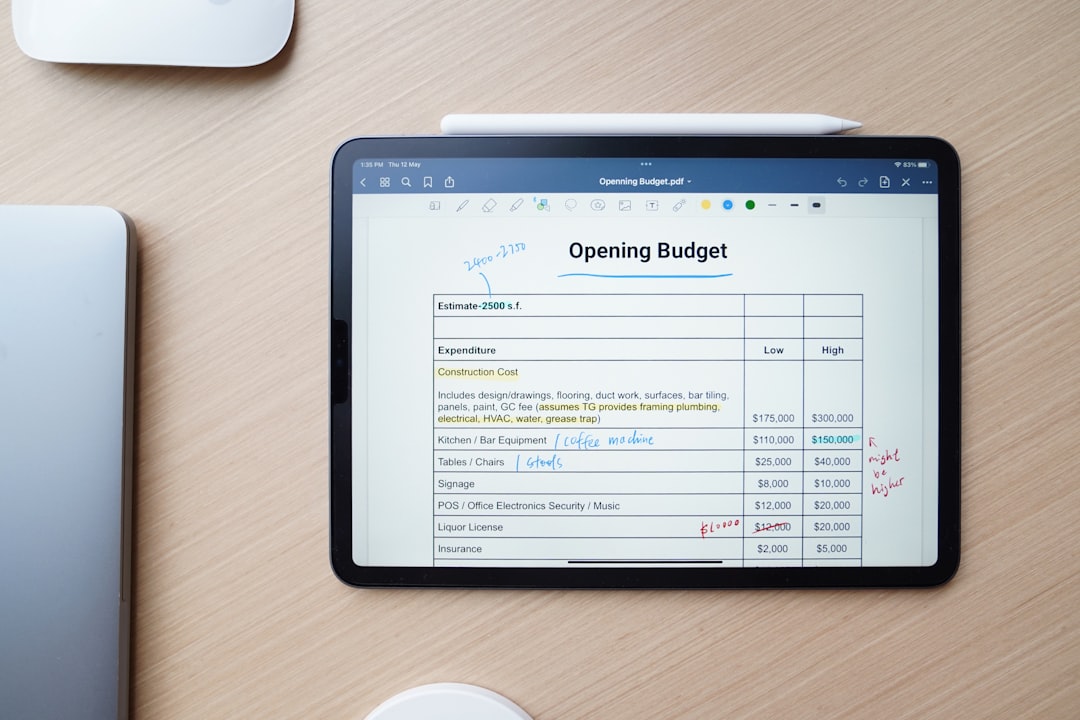
Ever feel like your budget doesn’t quite fit? Like a sweater that’s either too tight or too loose, an ill-fitting budget can make financial planning uncomfortable and unsustainable. Creating a budget that truly aligns with your personal values and sustainability goals isn’t just a pipe dream—it’s entirely possible. Let’s dive into how you can build a personalized budgeting blueprint that works for you in the long run.
Understanding Your Financial Values
The first step to building a sustainable budget is understanding what really matters to you financially. This isn’t about what society tells you should matter, but what genuinely impacts your happiness and sense of well-being. Are you passionate about travel, or is homeownership your dream? Maybe supporting charitable causes is your top priority. Identifying these core values will help guide your spending decisions and ensure your budget supports your ultimate goals.
Consider using a values inventory exercise where you list out all the things that are important to you and rank them. This exercise might reveal, for instance, that you value experiences over material possessions, or that financial security is your top priority. With these insights, you can allocate your resources more effectively.
Setting Clear, Attainable Goals
Once you’ve pinpointed your values, it’s time to set some financial goals. These should be clear and attainable, acting as stepping stones towards your broader life ambitions. For example, if your ultimate goal is achieving financial independence, you might start by setting a goal to save a specific amount each month or to increase your passive income streams.
Here’s a practical tip: break down larger goals into smaller, more manageable tasks. Suppose you want to save $10,000 in a year. That might sound daunting, but breaking it down to approximately $833 a month or about $192 a week makes it more achievable. Tracking your progress on these smaller goals can keep you motivated and on track.
Crafting a Flexible Spending Plan
A rigid budget can be as uncomfortable as a pair of shoes that don’t fit. Flexibility is key. Consider using the 50/30/20 rule as a starting point: allocate 50% of your income to necessities, 30% to discretionary spending, and 20% to savings or debt repayment. This guideline is adaptable and can be tweaked based on your values and goals.
Let’s say, for instance, you value sustainability and want to invest in eco-friendly products. You might adjust your discretionary budget to favor sustainable goods, even if they come at a premium, and cut back on other less important expenses.
Monitoring and Adjusting Your Plan
Creating a budget is not a one-time task. Life changes, and so should your financial plan. Regularly reviewing and adjusting your budget ensures it stays aligned with your goals and values. Set aside time each month to assess your spending and make necessary adjustments. Did you spend more on dining out than expected? Perhaps it’s time to tweak your meal planning or dining budget.
Use budgeting tools or apps to make this process easier. Apps like You Need a Budget or Mint offer intuitive interfaces for tracking expenses and visualizing spending trends. They can provide insights into areas where adjustments are needed.
Incorporating Sustainability Goals
Budgeting with sustainability in mind isn’t just about saving money—it’s about aligning your financial practices with your environmental and social values. Consider incorporating strategies that support sustainable living, such as reducing energy consumption, investing in renewable energy stocks, or supporting companies with ethical business practices.
For example, if you’re passionate about reducing waste, you might allocate some of your budget towards purchasing reusable products or supporting local farmers’ markets. These decisions not only help the planet but often lead to cost savings over time.
Real-Life Example — Sarah’s Story
Let’s look at a real-life scenario. Sarah, a 30-year-old graphic designer, found her previous budgeting approaches left her stressed and unsatisfied. She valued travel and sustainability but felt guilty about her spending habits. By reassessing her financial values, she realized she could cut back on non-essential fashion purchases and redirect those funds towards eco-friendly travel gear and experiences.
Sarah adopted a flexible budget, allowing for spontaneous travel opportunities while ensuring she met her savings goals. By using a budgeting app, she tracked her progress and adjusted her plan as needed. Over time, not only did her savings grow, but she also felt more aligned with her values, leading to a more fulfilling financial life.
Taking Action
Crafting a personalized and sustainable budget is an ongoing journey. It requires self-reflection, planning, and periodic adjustments. Remember, your budget should evolve as your life does. By staying true to your values and goals, you’re more likely to enjoy the process and, ultimately, achieve the financial peace you’re seeking.
So, grab a pen and paper or open that budgeting app and start building your personalized budget blueprint today. You might just find that financial sustainability is within your reach, bringing you closer to a life financial experts dream about.
Photo by GoodNotes 5 on Unsplash
Leave a Reply