Category: Financial Mindset

  • Redefining Financial Success — A Journey from Scarcity to Abundance

    Redefining Financial Success — A Journey from Scarcity to Abundance

    Imagine a world where every financial decision you make is driven by a sense of abundance rather than scarcity. It’s a shift that can unlock new opportunities and peace of mind, transforming your approach to money management. This journey from scarcity to abundance isn’t just about accumulating wealth. It’s about cultivating a mindset that sees possibilities instead of limitations.

    Understanding the Scarcity Mindset

    A scarcity mindset often revolves around fear—fear of not having enough, of losing what you have, or of missing out on opportunities. This fear can lead to stress, poor financial decisions, and a cycle of constant worry. Individuals trapped in this mindset might hesitate to invest in themselves or their future, opting instead for short-term gains over long-term stability. Recognizing these patterns is the first step towards change.

    Signs You’re Stuck in Scarcity

    • Constant Worry: You frequently stress about money, even when your financial situation is stable.
    • Short-Term Focus: You prioritize immediate savings over long-term investments.
    • Fear of Loss: You avoid financial risks, fearing potential losses more than valuing potential gains.

    Embracing an Abundance Mindset

    Shifting to an abundance mindset involves seeing the world as a place full of opportunities. Instead of focusing on what you lack, you start to appreciate what you have and what you can achieve. This doesn’t mean being reckless or overly optimistic. It’s about making mindful, informed financial decisions that align with your values and goals.

    Steps to Cultivate Abundance

    How do you begin this transformation? Here are practical steps to guide you:

    • Gratitude Practice: Regularly reflect on what you have. This could be as simple as writing down three things you’re grateful for each day.
    • Long-Term Planning: Set clear, actionable financial goals. Whether it’s saving for retirement or planning a vacation, having a roadmap helps maintain focus.
    • Invest in Learning: Educate yourself about money management. Understanding the principles of investing and saving can demystify the process.

    From Scarcity to Abundance in Daily Decisions

    Integrating this new mindset into your daily life can transform how you approach personal finance. Instead of cutting down on every expense, consider how spending aligns with your values. For example, investing in a course that enhances your skills might seem like an expense, but it’s actually an investment in your future earning potential.

    Case Study — Sarah’s Transformation

    Take Sarah, a marketing professional who always felt anxious about her finances. Her scarcity mindset made her hoard money, avoiding any investment opportunities. Over time, she recognized this pattern and started practicing gratitude. She set long-term goals, like buying a house and planning for retirement. Gradually, Sarah began to see her money as a tool for growth, not just security. Her investments in professional development paid off, leading to a promotion and increased income.

    The Impact of an Abundance Mindset

    When you live with an abundance mindset, financial decisions become less about fear and more about potential. This shift not only increases wealth but also enhances overall well-being. You become more open to new experiences, more willing to invest in yourself, and more likely to achieve your goals.

    Ultimately, transitioning from scarcity to abundance is a journey that requires patience and practice. It’s about more than just financial growth. It’s about embracing a life where every decision is made with confidence and clarity. As you embark on this path, remember that the true wealth lies in the freedom and peace of mind that an abundance mindset brings.

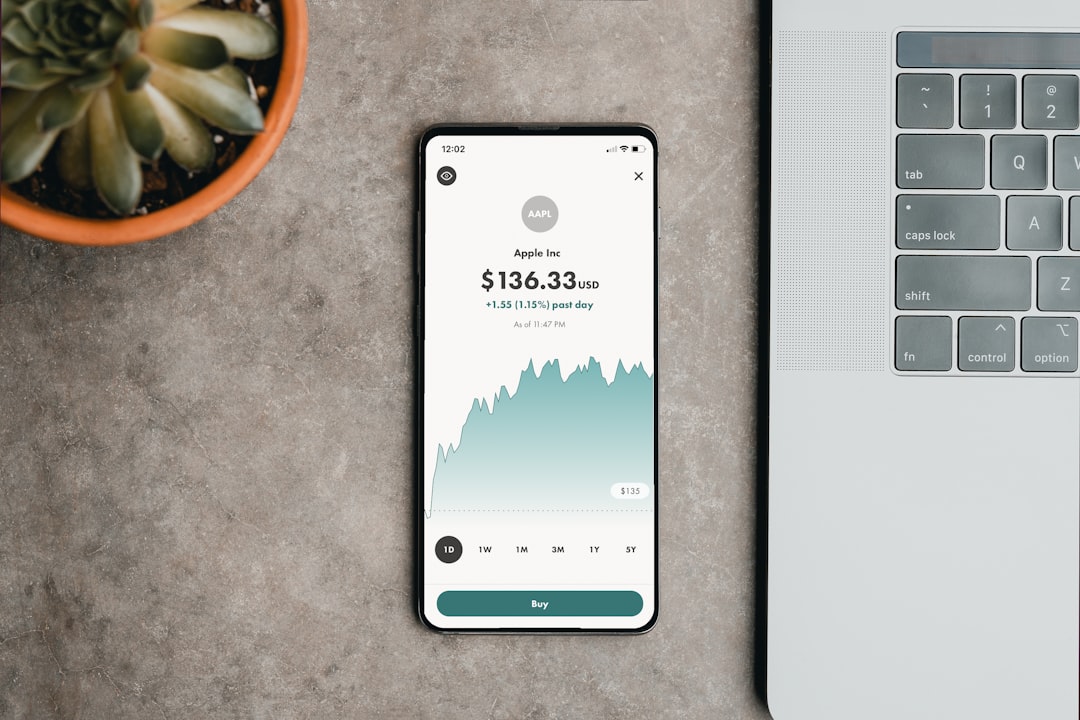
    Photo by Brett Jordan on Unsplash

  • Sustainable Wealth — Crafting Your Personal Path in 2026

    Sustainable Wealth — Crafting Your Personal Path in 2026

    As we approach 2026, the pursuit of sustainable wealth has become more than just a buzzword. It’s a lifestyle choice that aligns financial growth with personal values and environmental consciousness. This shift presents an opportunity for individuals to craft a financial path that not only ensures personal prosperity but also benefits the planet.

    To achieve sustainable wealth, start by integrating mindful financial habits into your daily routine. By focusing on conscious spending, strategic saving, and thoughtful investing, you can build a robust financial foundation that supports long-term growth without compromising your ethical standards.

    Building a Sustainable Wealth Strategy

    Creating a strategy for sustainable wealth involves a few key steps. Each step focuses on aligning your financial decisions with your personal values while promoting environmental and social responsibility.

    1. Define Your Values

      Before you can align your financial path with sustainable practices, you need to identify what sustainability means to you. Consider aspects such as environmental impact, social responsibility, and ethical considerations. Reflect on how these values influence your financial decisions.

    2. Assess Your Current Financial Habits

      Take a close look at your current spending, saving, and investment habits. Identify areas where your actions may not align with your values. For instance, you might discover that certain investments don’t support sustainability, or that your spending habits could be more eco-friendly.

    3. Create a Sustainable Budget

      Develop a budget that reflects your sustainable goals. This includes prioritizing spending on goods and services that are environmentally friendly and ethically sourced. Allocate funds for investments that support sustainable businesses and green technologies.

    4. Invest in Sustainable Assets

      Consider sustainable investing as a cornerstone of your financial strategy. This could involve investing in companies with strong environmental, social, and governance (ESG) criteria. Research mutual funds or ETFs that focus on sustainable sectors like renewable energy and clean technology.

    5. Monitor and Adjust Your Plan

      Regularly review your financial plan to ensure it remains aligned with your values and goals. As the market and your personal circumstances evolve, be ready to adjust your strategies to maintain a sustainable path.

    Common Pitfalls in Pursuing Sustainable Wealth

    While the journey toward sustainable wealth is rewarding, it’s not without challenges. Here are some common pitfalls to avoid:

    • Overlooking Hidden Costs

      Some eco-friendly products and services may initially appear cost-effective, but hidden costs could outweigh the benefits. Always perform a comprehensive cost-benefit analysis before committing to a sustainable option.

    • Chasing Trends Without Research

      Sustainable investing can sometimes fall prey to market trends. Avoid investing in ‘green’ stocks or funds without thorough research into their actual sustainability practices and long-term viability.

    • Neglecting Personal Financial Goals

      While focusing on sustainability is crucial, don’t lose sight of your personal financial goals. Ensure that your path to sustainable wealth also supports your broader financial independence and security objectives.

    Embracing Sustainable Wealth in 2026

    By 2026, the landscape of personal finance will have evolved significantly, with sustainability becoming a key pillar of wealth-building strategies. By crafting a financial path aligned with your values and sustainability goals, you not only foster personal growth but also contribute positively to the world around you. Your journey toward sustainable wealth is a testament to your commitment to creating a better future, both for yourself and for the planet.

    Photo by karina trinidad on Unsplash

  • Mindful Money Practices for a Stress-Free 2026

    Mindful Money Practices for a Stress-Free 2026

    As 2026 unfolds, the financial landscape is evolving, bringing both opportunities and challenges. Amidst this change, embracing mindful money practices can be a significant shift for anyone seeking to reduce financial stress and enhance their overall well-being. These practices, rooted in awareness and intentionality, help align your financial decisions with your values and goals, leading to a more serene and sustainable financial future.

    Understanding Mindful Money Practices

    Mindful money practices involve being present and intentional with your financial decisions. This approach encourages you to slow down, consider the impact of each financial choice, and ensure it aligns with your long-term objectives. By fostering awareness, you can avoid impulsive decisions that might derail your financial progress.

    Start with Small, Intentional Changes

    Begin by implementing small changes in your daily routine. Consider starting a financial journal where you record your spending and reflect on your emotions surrounding those transactions. This practice can reveal patterns and help you identify areas where you might be spending unconsciously.

    For instance, if you notice that stress often leads to impulsive online shopping, you can explore healthier coping mechanisms, such as going for a walk or practicing meditation. Over time, these mindful choices can accumulate, significantly impacting your financial health.

    Establish a Mindful Budget

    Creating a budget is a foundational step in financial planning, but a mindful budget goes beyond numbers. It involves aligning your spending with your values and priorities. Begin by identifying what truly matters to you—whether it’s saving for retirement, investing in experiences, or supporting causes you care about.

    Once you’ve pinpointed your priorities, allocate your resources accordingly. This approach not only supports financial growth but also ensures that your spending reflects your personal values. As a result, each financial decision carries more meaning and purpose, reducing stress and fostering satisfaction.

    Mindful Money Practices in Daily Decisions

    Incorporating mindfulness into your daily financial decisions can transform how you interact with money. Here are some practical steps to consider:

    • Pause Before Purchases: Before making any purchase, pause and ask yourself whether it aligns with your values and financial goals. This moment of reflection can prevent impulse buys and promote intentional spending.
    • Reflect on Financial Goals: Regularly revisit your financial goals, ensuring they still resonate with your current values and lifestyle. This practice helps maintain focus and motivation, making it easier to stick to your financial plan.
    • Practice Gratitude: Cultivating gratitude for what you already have can reduce the urge to constantly seek more. By appreciating your current financial state, you develop a mindset of abundance rather than scarcity.

    Embrace Technology Mindfully

    While technology offers tools to simplify money management, it’s essential to use them mindfully. Select apps and platforms that genuinely support your financial goals without overwhelming you. For example, choose a budgeting app that provides insights into your spending habits without bombarding you with notifications that induce stress.

    Additionally, set boundaries for your digital interactions. Designate specific times to check your financial accounts, and avoid unnecessary scrolling through investment news that might trigger anxiety. By controlling your technology usage, you create space for more mindful decision-making.

    Creating a Sustainable Financial Future

    Sustainability in personal finance means creating systems that support long-term growth without compromising your present well-being. Mindful money practices are pivotal in achieving this balance. As you continue to cultivate awareness in your financial life, you’ll likely notice a decrease in stress and a greater sense of control over your financial journey.

    Building Resilience Through Mindfulness

    Mindfulness can also bolster your financial resilience. By regularly engaging in reflective practices, you become more adaptable to changes in the financial landscape. When unexpected expenses arise or economic shifts occur, you’ll be better equipped to handle them with calm and confidence.

    Consider setting up a contingency fund to cover unforeseen expenses. This fund acts as a safety net, allowing you to manage financial surprises without undue stress. Knowing you have a plan in place can significantly ease anxiety and contribute to a more relaxed financial outlook.

    Fostering Community and Connection

    Finally, remember that personal finance doesn’t have to be a solitary journey. Engaging with a community of like-minded individuals can provide support and inspiration. Consider joining local or online groups focused on sustainable wealth and mindful money practices. Sharing experiences and learning from others can enrich your financial journey and deepen your understanding of mindful wealth-building strategies.

    As you embrace these mindful money practices, you’ll likely find that your financial decisions become more aligned with your values, reducing stress and fostering a sense of peace. With greater awareness and intentionality, 2026 can be a year of both financial growth and personal fulfillment.

    Photo by Katie Harp on Unsplash

  • Embracing ‘Calmwealth’ — Building a Tranquil Financial Future

    Embracing ‘Calmwealth’ — Building a Tranquil Financial Future

    In the quest for financial stability, many find themselves overwhelmed by the chaos of market fluctuations and the pressure to keep up with peers. Enter the concept of ‘calmwealth’ — a tranquil approach to building a robust financial future that emphasizes emotional and financial balance. This idea isn’t just about accumulating wealth, but doing so with a peace of mind that many traditional financial strategies overlook.

    Why Calmwealth Matters in Today’s Financial Landscape

    The modern financial world is a storm of information and advice, often leading individuals to feel lost or anxious about their financial choices. The traditional chase for wealth can result in stress, burnout, and a disconnection from personal values. Calmwealth offers an antidote to this frenzy by promoting a path to financial growth that aligns with personal well-being and mindful living.

    Incorporating calmwealth into your financial strategy means making decisions that not only advance your monetary goals but also enhance your quality of life. It’s about fostering a sustainable relationship with money that supports long-term growth without sacrificing mental health.

    Building Calmwealth — Habits That Cultivate Tranquility

    Developing habits that promote calmwealth involves more than just smart budgeting and investing. It requires a holistic approach to financial management that includes mindfulness and intentional living. Here are some practical habits to consider:

    • Mindful Spending: Before making a purchase, pause to consider its alignment with your values and long-term goals. This can help prevent impulse buying and ensure that your spending supports your vision of a tranquil financial future.
    • Regular Financial Check-Ins: Schedule monthly reviews of your financial status. This practice not only keeps you informed but also reduces anxiety by ensuring you’re on track with your goals.
    • Embrace Simplicity: Simplifying your finances — through automation of savings and investments, or decluttering unnecessary accounts — can significantly reduce stress.

    Mindfulness in Financial Decisions

    Mindfulness, when applied to financial decision-making, encourages a thoughtful approach that considers the broader impact of your choices. This might mean opting for investments that align with ethical values or choosing savings plans that support long-term stability over short-term gains.

    For instance, when considering investments, a mindful approach would involve evaluating how each option aligns with personal values and the kind of future you envision. Does the company’s mission resonate with your personal beliefs? This consideration can transform investing from a purely financial activity to a meaningful expression of your values.

    Challenges and Counterpoints

    Critics might argue that a focus on calmwealth lacks the aggressiveness needed for rapid financial gains. In a world where high-risk, high-reward strategies often dominate, the calmwealth approach might be perceived as too conservative or slow.

    However, the rebuttal to this stance lies in the sustainability of wealth built through calmwealth. While rapid gains can be enticing, they often come with high levels of stress and risk. Calmwealth, by contrast, offers a steadier path that prioritizes mental health and long-term security, potentially leading to a more fulfilling life both financially and personally.

    The Verdict on Calmwealth

    The concept of calmwealth challenges the traditional narratives of wealth-building by integrating mindfulness and emotional balance into financial strategies. While it may not promise the dizzying highs of speculative investments, it offers a more stable and peaceful financial journey.

    Embracing calmwealth means choosing a path that prioritizes your well-being and aligns with your deepest values. It’s about creating a financial future where peace of mind and prosperity coexist harmoniously.

    As you reflect on your financial goals, consider how the principles of calmwealth can transform your approach to money. Are you ready to trade the noise and stress for a tranquil financial future? Start by adopting one mindful habit today, and watch as it gradually reshapes your entire financial landscape.

    Photo by The 77 Human Needs System on Unsplash

  • Best Free Tools to Track Your Investment Portfolio 2026

    Best Free Tools to Track Your Investment Portfolio 2026

    In the ever-evolving world of finance, having the right tools to manage your investment portfolio is crucial for maintaining financial health and achieving long-term wealth. As we look towards 2026, the range of free tools available to track your investment portfolio has expanded, offering investors more options to manage their assets with ease and precision. This guide explores the best free tools to track investment portfolio 2026, helping you make informed decisions without the stress of financial complexity.

    Top Pick — Personal Capital

    When it comes to free tools for monitoring your investment portfolio, Personal Capital stands out as a top choice. With its comprehensive dashboard, users can easily track and analyze their assets and liabilities. The tool’s intuitive interface provides insights into asset allocation, investment performance, and personalized financial advice, making it a favorite among investors seeking both simplicity and depth.

    Best Free Tools to Track Your Investment Portfolio 2026

    1. Personal Capital

    Personal Capital offers a holistic view of your financial life, integrating your investment accounts, bank accounts, and credit cards into one platform. Its standout feature is the investment checkup tool, which analyzes your portfolio’s performance and risk. This tool is ideal for those who want a comprehensive financial overview without getting bogged down in details.

    2. Mint

    Mint is well-known for its budgeting capabilities, but it also provides a robust platform for tracking investments. Users can link their investment accounts to view balances and transaction history in real time. The tool’s alerts and reminders help keep you on track with your financial goals, making it a great option for those who want a blend of budgeting and investment tracking.

    3. Yahoo Finance

    Yahoo Finance offers a simple yet effective way to track your investment portfolio. With its easy-to-use interface, you can monitor stocks, mutual funds, and ETFs. The real-time data and news updates keep you informed of market trends, making it an excellent tool for investors who prioritize staying updated on market movements.

    4. Morningstar Portfolio Manager

    Morningstar Portfolio Manager provides detailed analysis and insights into your portfolio’s performance. Its research-driven approach helps investors make informed decisions based on comprehensive data and reports. This tool is particularly useful for those who value in-depth analysis and want to take a methodical approach to managing their investments.

    5. SigFig

    SigFig offers a streamlined experience for tracking your investments. It syncs with your brokerage accounts to provide a real-time view of your portfolio’s performance. SigFig’s portfolio tracker also offers personalized recommendations to optimize your investments, making it a great choice for those who want actionable insights without the hassle.

    Summary of Differences

    Tool Key Features Best For
    Personal Capital Comprehensive dashboard, investment checkup Overall financial management
    Mint Integration with budgeting, real-time alerts Budget-focused investors
    Yahoo Finance Real-time data, market news Market-savvy investors
    Morningstar Portfolio Manager In-depth analysis, research reports Data-driven investors
    SigFig Real-time sync, personalized insights Investors seeking personalized advice

    Choosing the right tool to track your investment portfolio in 2026 depends largely on your personal financial goals and management style. For an all-encompassing view, Personal Capital remains a top choice. Mint is ideal for those who need budgeting capabilities alongside investment tracking, while Yahoo Finance suits those who want to stay updated with market trends. If you prefer a data-intensive approach, Morningstar Portfolio Manager is a solid option. Lastly, for those who appreciate personalized recommendations, SigFig delivers actionable insights. By selecting the right tool, you can effectively manage your investments with minimal stress, paving the way for financial harmony and growth.

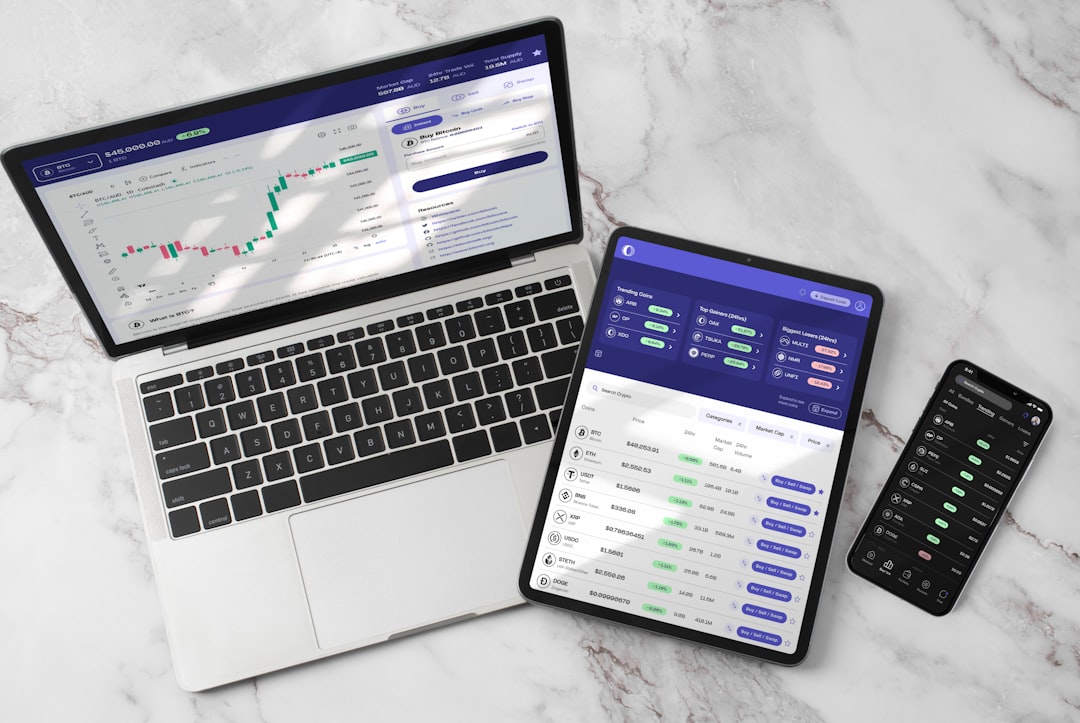
    Photo by Coinstash Australia on Unsplash

  • Online Brokers vs Robo-Advisors for Young Investors 2026

    Online Brokers vs Robo-Advisors for Young Investors 2026

    In the evolving landscape of personal finance, young investors in 2026 are faced with a multitude of choices when it comes to managing their portfolios. Two popular options are online brokers and robo-advisors. Understanding the nuances between these platforms is crucial for making informed decisions that align with one’s investment goals. This article delves into the comparison of brokers vs robo-advisors 2026, providing insight for young investors seeking the best fit for their financial strategies.

    Understanding Online Brokers

    Online brokers have been a staple in the investment world for years, offering a platform where individuals can buy and sell a variety of securities such as stocks, bonds, ETFs, and mutual funds. These platforms are typically favored by investors who prefer a hands-on approach to managing their portfolios. With features like advanced research tools, real-time data, and customizable interfaces, online brokers cater to those who enjoy the process of analyzing markets and making independent investment decisions.

    Exploring Robo-Advisors

    Robo-advisors have gained significant traction in recent years, appealing to investors seeking a more automated and less hands-on approach. By utilizing algorithms, these platforms create and manage investment portfolios based on an individual’s risk tolerance, financial goals, and time horizon. Robo-advisors are known for their affordability, convenience, and the ability to provide diversified portfolios without requiring extensive financial knowledge from the investor.

    Comparing Brokers vs Robo-Advisors 2026

    Cost and Fees

    One of the primary considerations for young investors is the cost associated with each platform. Online brokers often charge per-trade fees and may have additional costs for premium tools or services. In contrast, robo-advisors typically charge a flat annual fee based on the assets under management, making them a cost-effective choice for those with smaller portfolios. However, as portfolios grow, the percentage-based fee could become significant.

    User Experience and Accessibility

    Online brokers are designed for users who appreciate a high level of control and customization, often featuring complex interfaces that can be overwhelming for beginners. In contrast, robo-advisors offer a streamlined, intuitive user experience, ideal for those who prefer a simple, hassle-free investment process. The ease of use provided by robo-advisors is particularly appealing to tech-savvy young investors who value efficiency.

    Investment Control and Flexibility

    For investors who wish to have complete control over their investment choices, online brokers are the clear winner. They allow for the selection of specific securities and the implementation of complex trading strategies. Robo-advisors, while offering some level of customization, primarily focus on automated portfolio management, which might not satisfy those seeking more direct involvement in their investment decisions.

    Advice and Support

    When it comes to support, online brokers often provide access to human advisors, but this service may come at an additional cost. In contrast, robo-advisors offer digital advice based on algorithms, which can be beneficial for straightforward, long-term investment strategies. However, for complex financial planning, young investors might find the human touch offered by brokers more reassuring.

    Verdict — Choosing the Right Platform

    Deciding between online brokers and robo-advisors ultimately depends on the individual needs and preferences of young investors. Those who enjoy a hands-on approach, value in-depth market analysis, and wish to execute complex trades may find online brokers more suitable. Conversely, investors seeking a low-cost, automated solution with minimal involvement might prefer robo-advisors.

    For many young investors, starting with a robo-advisor to build a foundational portfolio can provide a great balance of affordability and ease. As their confidence and understanding of the market grow, transitioning to an online broker could offer more control and opportunities for personalized investment strategies.

    In conclusion, the choice of brokers vs robo-advisors 2026 is not one-size-fits-all. By evaluating the costs, user experience, control, and support offered by each platform, young investors can make informed decisions that align with their long-term financial goals and strategies.

    Photo by collier finance on Unsplash

  • How to Save for Retirement Without Sacrificing Lifestyle

    How to Save for Retirement Without Sacrificing Lifestyle

    Many people struggle with the challenge of saving for retirement without sacrificing their current lifestyle. It’s a common pain point — the desire to enjoy life today while also ensuring a secure financial future. Thankfully, there are strategic ways to balance these two priorities, allowing you to save for retirement without giving up the lifestyle you enjoy.

    In essence, the secret lies in implementing smart financial strategies that optimize your savings potential while maintaining your quality of life.

    How to Save for Retirement Without Sacrificing Lifestyle

    To effectively save for retirement without compromising your lifestyle, you’ll need a plan that integrates both your current financial needs and your future goals. Here’s a step-by-step guide to help you achieve this balance.

    Prerequisites for Success

    Before diving into the steps, ensure you have a clear understanding of your financial landscape. This includes knowing your income, expenses, debts, and existing savings. A realistic assessment of these elements is crucial for creating a sustainable plan.

    1. Set Clear Retirement Goals

      Determine how much money you’ll need for retirement. Consider factors such as the age you plan to retire, expected longevity, desired lifestyle, and any potential healthcare costs. Use a retirement calculator to get a rough estimate of your target savings.

    2. Create a Detailed Budget

      Develop a budget that aligns with your financial goals. Identify areas where you can reduce unnecessary spending without affecting your lifestyle significantly. Redirect these savings towards your retirement fund.

    3. Automate Your Savings

      Set up automatic transfers from your checking account to a retirement savings account. This ‘set it and forget it’ approach ensures consistent contributions without requiring constant attention.

    4. Maximize Employer Benefits

      If your employer offers a 401(k) or similar retirement plan, contribute enough to get the full company match. This is essentially free money that can significantly boost your retirement savings.

    5. Invest Wisely

      Choose investment options that offer growth potential while matching your risk tolerance. Diversified portfolios can provide a balance between risk and return, helping grow your savings over time without undue stress.

    6. Explore Additional Income Streams

      Consider passive income opportunities or side hustles that don’t interfere with your lifestyle. The extra income can be funneled directly into your retirement savings.

    Common Mistakes to Avoid

    • Neglecting to Review and Adjust the Plan

      Regularly review your financial plan and adjust it as needed to stay on track with your goals. Life changes, and so should your strategy.

    • Overlooking Tax-Efficient Investment Options

      Utilize tax-advantaged accounts like IRAs or Roth IRAs to maximize your tax savings and increase your retirement funds.

    • Ignoring Lifestyle Inflation

      As your income increases, avoid proportionately increasing your spending. Instead, increase your savings rate to boost your retirement fund.

    By following these steps and avoiding common pitfalls, you can successfully save for retirement without sacrificing your lifestyle. This approach not only ensures a comfortable future but also allows you to enjoy your present life without financial stress. Implement these strategies and take control of your financial journey, knowing you’re well on your way to a fulfilling and secure retirement.

    Photo by Katie Harp on Unsplash

  • Best Free Financial Planning Apps for Beginners 2026

    Best Free Financial Planning Apps for Beginners 2026

    In today’s fast-paced financial landscape, managing your finances effectively is more important than ever. As we head into 2026, the demand for accessible and user-friendly financial planning tools continues to grow. For beginners, navigating the myriad of options can be daunting. Thankfully, there are numerous free financial planning apps available that can simplify this process, helping you create and stick to a simple, effective financial plan.

    If you’re looking for a quick recommendation, Mint stands out as an all-in-one financial planning app. Known for its comprehensive features and ease of use, Mint offers a robust solution for budgeting, tracking expenses, and planning for future financial goals.

    Top Free Financial Planning Apps for Beginners 2026

    1. Mint

    Mint remains a favorite for many with its intuitive interface and comprehensive suite of tools. It allows users to link their bank accounts, credit cards, and investments in one place, giving a holistic view of their financial situation. With personalized tips for saving and budgeting, Mint is an excellent choice for beginners looking to gain control over their finances.

    2. Personal Capital

    Personal Capital offers more than just budgeting tools; it provides a detailed overview of your investments and net worth. Ideal for those who already have some investments and want to manage them alongside their daily finances, this app combines powerful finance management with investment tracking. The app’s dashboard is particularly useful for those who need a clear picture of their financial health.

    3. YNAB (You Need A Budget)

    While YNAB is technically a paid service, it offers a free trial period that could be beneficial for beginners to explore its unique budgeting philosophy. YNAB focuses on proactive budgeting, encouraging users to plan for every dollar they earn. This approach can be particularly effective for those looking to establish disciplined financial habits from the start.

    4. PocketGuard

    Designed for simplicity, PocketGuard helps users easily track spending and savings. The app automatically categorizes expenses and shows how much spendable cash you have after accounting for bills, goals, and necessities. It’s perfect for those who want a straightforward, no-frills approach to maintaining daily financial health without getting into complex investments.

    5. Goodbudget

    Goodbudget is based on the envelope budgeting method, where users allocate money for different spending categories. This app is ideal for those who prefer a hands-on approach to budgeting and want to ensure they’re not overspending in any category. It’s especially helpful for managing shared finances in households.

    Comparison of Top Free Financial Planning Apps

    Each app caters to different aspects of financial planning:

    • Mint: Best for comprehensive budgeting and expense tracking.
    • Personal Capital: Ideal for investment tracking and net worth analysis.
    • YNAB: Great for proactive and disciplined budgeting, despite its cost after the trial.
    • PocketGuard: Perfect for simple, everyday budgeting and spending management.
    • Goodbudget: Excellent for envelope-style budgeting and shared finances.

    In conclusion, the best free financial planning apps of 2026 offer a variety of features to suit different needs. Beginners should consider their personal financial goals and choose an app that aligns with those objectives. Whether you need a comprehensive overview of your finances or a simple budgeting tool, there’s an app that can help you achieve financial harmony with ease.

    Photo by PiggyBank on Unsplash

  • High-Interest Savings Accounts vs. CDs for Passive Income 2026

    High-Interest Savings Accounts vs. CDs for Passive Income 2026

    In the quest for passive income, the debate between savings accounts vs CDs 2026 is pivotal for individuals seeking financial tranquility and growth. For those aiming to build a sustainable wealth portfolio with minimal stress, understanding these options is crucial. This guide will explore the benefits and drawbacks of high-interest savings accounts and Certificates of Deposit (CDs) to help you make an informed decision tailored to your financial goals.

    Understanding High-Interest Savings Accounts

    High-interest savings accounts provide a flexible, accessible means to grow your savings while enjoying liquidity. With competitive interest rates, these accounts offer a straightforward way to earn passive income. They are ideal for individuals who value quick access to their funds without incurring penalties.

    An Overview of Certificates of Deposit (CDs)

    Certificates of Deposit, or CDs, are time-bound savings instruments that typically offer higher interest rates than regular savings accounts. In exchange for locking in your money for a specific period, usually ranging from a few months to several years, you can benefit from assured returns. CDs are suitable for those who can afford to set aside funds they won’t need immediate access to.

    Savings Accounts vs CDs 2026 — A Comparative Analysis

    Liquidity and Accessibility

    High-Interest Savings Accounts: These accounts shine in terms of liquidity. You can withdraw funds at any time without facing penalties, making them perfect for emergency savings or short-term goals.

    CDs: CDs require a commitment of funds for the duration of the term. Early withdrawal typically results in penalties, which makes them less suitable for situations where you might need immediate access to your money.

    Interest Rates and Returns

    High-Interest Savings Accounts: While these accounts offer competitive rates, the returns can fluctuate with market conditions. They provide a balance of reasonable interest with the flexibility of access.

    CDs: CDs generally offer higher fixed interest rates compared to savings accounts because of their long-term nature. This makes them an excellent option for those who prioritize guaranteed returns over immediate access.

    Risk and Security

    High-Interest Savings Accounts: These accounts are typically insured by the FDIC, offering a high level of security for deposits up to the insured limit. They are low-risk, making them a safe choice for most savers.

    CDs: Like savings accounts, CDs are also FDIC insured, providing similar security and low risk. The fixed interest rate adds an element of predictability to your financial planning.

    Flexibility in Terms

    High-Interest Savings Accounts: They offer unmatched flexibility with no specific term commitments. This is ideal for savers who anticipate needing their funds at unpredictable times.

    CDs: CDs require you to choose a fixed term, which can range from a few months to several years. While this limits flexibility, it encourages disciplined saving habits.

    Verdict — Which Option Suits You?

    If your priority is maintaining easy access to your funds while earning interest, a high-interest savings account is the way to go. It’s perfect for those who need liquidity alongside passive income. On the other hand, if you can commit to locking your funds for a set period in exchange for higher returns, CDs present a compelling choice for more disciplined savers.

    In conclusion, the choice between savings accounts vs CDs 2026 hinges on your financial goals and liquidity needs. By weighing the factors of access, return, and risk, you can align your passive income strategy with your broader wealth-building objectives, ensuring a calm and prosperous financial journey ahead.

    Photo by Sasun Bughdaryan on Unsplash

  • How to Automate Investments Without Losing Control

    How to Automate Investments Without Losing Control

    In the fast-paced world of personal finance, the desire to grow wealth without constant oversight has driven many to seek ways to automate investments without losing control. This approach offers the dual benefits of disciplined investing and the mental freedom that comes from not having to make every decision manually. But how can you ensure that your investments continue to align with your personal financial goals while being automated?

    The quick answer is to set up automated investment systems with predefined parameters and regular reviews to ensure they align with your financial objectives, providing both growth and peace of mind.

    Getting Started — What You Need

    Before you embark on automating your investments, it’s essential to have a clear understanding of your financial goals, risk tolerance, and the types of investments that align with these objectives. Here’s what you’ll need:

    • Financial Goals: Define what you want to achieve with your investments, whether it’s retirement, buying a home, or creating an emergency fund.
    • Risk Tolerance: Assess how much risk you’re comfortable taking. This will guide your investment choices and automation settings.
    • Investment Types: Familiarize yourself with different investment vehicles such as stocks, bonds, ETFs, and mutual funds.
    • Reliable Financial Tools: Choose a platform that offers automation features, such as recurring buys and rebalancing options.

    Steps to Automate Investments Without Losing Control

    1. Set Clear Investment Goals: Start by outlining what you wish to achieve with your investments. Distinguish between short-term and long-term objectives to tailor your automation strategy accordingly.
    2. Choose the Right Platform: Select an investment platform that offers robust automation features. Look for options that allow you to schedule recurring investments and automatic portfolio rebalancing.
    3. Define Your Investment Strategy: Decide on the types of assets you want to invest in and how you want your portfolio allocated. This will serve as the blueprint for your automated system.
    4. Set Up Automated Contributions: Schedule regular transfers from your bank account to your investment account. This could be weekly, bi-weekly, or monthly, depending on your cash flow and financial plan.
    5. Implement Automatic Rebalancing: Use your chosen platform to automatically adjust your portfolio to maintain your desired asset allocation. This ensures that your investments remain aligned with your risk tolerance over time.
    6. Monitor and Review Regularly: While automation reduces hands-on management, it’s crucial to review your portfolio periodically. Set reminders to evaluate your portfolio’s performance against your goals and adjust if necessary.

    Tips for Successful Investment Automation

    While automating your investments can simplify the process, it’s important to avoid common pitfalls:

    • Avoid “Set and Forget” Mindset: Automation doesn’t mean you should never check your investments. Regular reviews are essential to ensure that your investments still align with your goals.
    • Keep an Eye on Fees: Be aware of any fees associated with automated services. High fees can erode your returns over time.
    • Stay Informed: Keep abreast of market trends and economic indicators that might impact your investment strategy. This knowledge will help you make informed decisions during your reviews.
    • Adjust for Life Changes: Significant life events, such as a job change or family growth, might necessitate adjustments to your investment strategy. Be ready to adapt your automation settings as needed.

    Conclusion — Empowering Your Financial Future

    By automating investments without losing control, you can achieve financial growth with minimal stress and effort. This approach allows you to focus on the bigger picture while ensuring that your investment strategy remains aligned with your personal goals. As you continue to automate and refine your investment strategy, you’ll find that achieving financial harmony is not only possible but also practical and rewarding.

    Photo by Jakub Żerdzicki on Unsplash