Author: Calm Wealth Team

  • Diversifying Your Portfolio: A Beginner’s Approach

    Diversifying Your Portfolio: A Beginner’s Approach

    Starting your investment journey can feel daunting, especially with the myriad of choices and strategies available. One foundational principle that can guide you through this maze is diversification. Often referred to as the only free lunch in investing, diversification helps mitigate risks while aiming for consistent returns. For beginners, understanding and applying diversification can be a game changer.

    Why Diversification Matters

    Imagine putting all your savings into a single company’s stock, only to watch it plummet due to unforeseen circumstances. Diversification helps protect against such scenarios by spreading your investments across various assets. This way, the decline of one asset may be offset by the performance of others, smoothing out overall returns.

    In the context of personal finance, diversification is akin to not putting all your eggs in one basket. The aim is to create a balanced portfolio that can withstand market volatility and provide a stable growth path over the long term.

    Getting Started with Diversification

    Understanding Asset Classes

    Begin by familiarizing yourself with different asset classes: stocks, bonds, real estate, and commodities, to name a few. Each class reacts differently to economic changes. For example, stocks might perform well in a thriving economy, while bonds might be safer in downturns. A blend of these can create a cushion against market swings.

    Investing in Index Funds

    For beginners, index funds offer a straightforward entry point into diversification. These funds track a specific market index, such as the S&P 500, and provide exposure to a wide range of companies. This broad exposure can be a simple way to diversify without needing to pick individual stocks.

    Consider Jane, a novice investor who started by buying shares in an S&P 500 index fund. Over time, she noticed that while some sectors in the index underperformed, others excelled, providing her with a steady overall return.

    Exploring International Markets

    While domestic investments form the core of many portfolios, adding international exposure can enhance diversification. Economic conditions vary globally, and what might be a downturn in one region could be a growth phase in another. International index funds or ETFs (Exchange-Traded Funds) can provide this broader market access.

    Building a Diversified Portfolio

    As you progress, consider diversifying within asset classes. For example, within stocks, diversify by sector (technology, healthcare, consumer goods) and market capitalization (large-cap, mid-cap, small-cap). This approach can further reduce risk.

    Additionally, balance risk and reward by including bonds. Bonds tend to be less volatile than stocks and can provide regular income through interest payments. A typical diversified portfolio might include a 60/40 split between stocks and bonds, adjusting based on your risk tolerance and investment goals.

    Monitoring and Rebalancing

    Diversification isn’t a one-time task. As markets shift, the balance of your portfolio will change. Regular monitoring and rebalancing—selling some assets and buying others—ensure that your portfolio remains aligned with your investment strategy.

    Take, for instance, the case of Tom, who initially set a target allocation of 70% stocks and 30% bonds. Over time, his stock allocation grew to 80% due to market gains. By rebalancing, Tom sold some stocks and bought bonds to return to his original allocation, maintaining his risk preferences.

    Practical Tips for Beginners

    • Start small: Begin with a few index funds and gradually build as you learn more.
    • Educate yourself: Utilize resources like books, online courses, and financial news to deepen your understanding of different assets.
    • Consider automated investing: Robo-advisors can help create and maintain a diversified portfolio based on your risk tolerance.
    • Stay consistent: Regular contributions, even small ones, compound over time and help in maintaining diversification.

    Conclusion — Diversification as a Discipline

    Diversification is not just a tactic; it’s a discipline that requires patience and consistency. By spreading your investments, you not only mitigate risks but also position yourself for long-term growth. As you embark on your investing journey, let diversification be your guiding principle, providing a steady path towards building calm and sustainable wealth.

    Photo by Stéphane Monnet on Unsplash

  • Choosing Your First Investment: A Step-by-Step Guide

    Choosing Your First Investment: A Step-by-Step Guide

    Investing can seem daunting for beginners, especially with the myriad options available today. However, with a clear, step-by-step approach, selecting your first investment can be a rewarding experience that sets you on a path to financial independence. This guide will walk you through the essential steps to choose your first investment with no prior experience.

    Understanding Your Investment Goals

    Before diving into the world of investments, it’s crucial to understand what you hope to achieve. Are you investing for retirement, saving for a major purchase, or simply looking to grow your wealth over time? Identifying your goals will help you determine the right type of investment for your needs.

    Short-term vs Long-term Goals

    If your goal is short-term—say, within the next three to five years—you might consider less volatile investments like bonds or high-yield savings accounts. For long-term goals like retirement, stocks or mutual funds might be more appropriate due to their potential for higher returns over time.

    Assessing Your Risk Tolerance

    Risk tolerance is another key factor when choosing your first investment. It refers to your ability and willingness to lose some or all of your original investment in exchange for greater potential returns. Understanding your risk tolerance will help you select investments that align with your comfort level.

    Determining Your Risk Profile

    Ask yourself how you would feel if the value of your investment fell by 20%. If the thought makes you uncomfortable, you might have a low-risk tolerance, and safer investments like bonds or index funds could be a better fit. Conversely, if you’re comfortable with potential losses for the chance of higher gains, stocks or ETFs might be suitable.

    Researching Investment Options

    Once you’ve identified your goals and risk tolerance, it’s time to research different investment vehicles. This includes understanding the basics of stocks, bonds, mutual funds, ETFs, and other options. Here’s a brief overview:

    • Stocks: Buying shares of a company means you own a part of that company. Stocks have the potential for high returns but come with higher risk.
    • Bonds: These are loans you give to a company or government. They typically offer lower returns but are considered safer than stocks.
    • Mutual Funds: These are professionally managed portfolios that pool money from many investors to purchase a diversified mix of stocks, bonds, or other securities.
    • ETFs (Exchange-Traded Funds): Similar to mutual funds but traded on stock exchanges, ETFs offer a diversified portfolio with lower fees.

    Creating a Diversified Portfolio

    Diversification is a strategy that reduces risk by allocating investments across various financial instruments, industries, and other categories. It aims to maximize returns by investing in different areas that would each react differently to the same event.

    Why Diversification Matters

    A diversified portfolio can help protect against significant losses. For example, if one investment performs poorly, others in different sectors or asset classes might perform better, balancing the overall performance of your portfolio.

    Starting Small and Monitoring Your Investments

    When starting with your first investment, consider beginning with a small amount you’re comfortable with. As you gain confidence and understanding, you can gradually increase your investment.

    Regularly Review and Rebalance

    Investing is not a one-time event. Regularly review your portfolio to ensure it aligns with your goals and risk tolerance. Rebalancing involves adjusting the proportions of your assets to maintain your desired level of risk.

    Using Practical Tools and Resources

    Leverage technology to your advantage. Numerous apps and online platforms offer tools for beginners to start investing with minimal hassle. For instance, Betterment and Wealthfront provide automated investment management and financial advice.

    Learning from Real-world Examples

    Consider case studies or stories from beginner investors who started with small portfolios. For example, a young professional might start with a simple index fund and gradually diversify into other asset classes as their knowledge and confidence grow.

    Conclusion

    Choosing your first investment doesn’t have to be overwhelming. By understanding your goals, assessing your risk tolerance, researching options, diversifying your portfolio, starting small, and using the right tools, you can make informed decisions that align with your financial journey. Remember, the key to successful investing is patience and discipline. Over time, your investments can grow, setting you on a path to calm wealth and financial independence.

    Photo by Ling App on Unsplash

  • Investing 101: Understanding Basic Concepts

    Investing 101: Understanding Basic Concepts

    Starting your investment journey might feel overwhelming, but understanding a few basic concepts can pave the way for confident decision-making. Investing is not just about making money; it’s about growing your wealth strategically over time. This guide will introduce you to essential investment principles and terms, providing a solid foundation to build upon.

    The Basics of Investing

    Investing involves allocating resources, usually money, with the expectation of generating an income or profit. The key idea is to put your money to work and let it grow over time. Successful investing requires understanding the risks involved and making informed decisions based on solid information.

    Understanding Risk and Reward

    One of the fundamental principles of investing is the relationship between risk and reward. Generally, the potential for greater returns comes with a higher risk of loss. For example, stocks are often more volatile than bonds but can offer higher returns. As a new investor, it’s crucial to assess your risk tolerance—how much risk you are comfortable taking on in pursuit of potential returns.

    Types of Investments

    Investments come in various forms, each with unique characteristics and benefits. Here are some common types:

    • Stocks: When you buy stocks, you’re purchasing shares of a company, becoming a partial owner. Stocks can yield high returns, but they also carry higher risk.
    • Bonds: Bonds are loans you make to corporations or governments. In return, you receive periodic interest payments plus the return of the bond’s face value when it matures. They are typically less risky than stocks.
    • Mutual Funds: These are pooled investment vehicles that collect money from many investors to purchase a diversified portfolio of stocks, bonds, or other securities. Mutual funds offer diversification, which can reduce risk.
    • Real Estate: Investing in property can provide rental income and potential appreciation in value over time. However, it requires significant capital and management.
    • Exchange-Traded Funds (ETFs): Similar to mutual funds, ETFs are collections of securities, but they trade on stock exchanges like individual stocks. They offer flexibility and typically have lower fees than mutual funds.

    Setting Investment Goals

    Before diving into investments, it’s essential to define your financial goals. Are you saving for retirement, a down payment on a house, or your child’s education? Goals can influence the types of investments you choose and the strategies you employ. Remember, investing is a long-term endeavor, and patience is key.

    Building a Diversified Portfolio

    Diversification is a strategy that involves spreading your investments across various asset classes to reduce risk. By not putting all your eggs in one basket, you minimize the impact of any single investment’s poor performance on your overall portfolio. For instance, a mix of stocks, bonds, and real estate can offer a balance between risk and reward.

    Understanding Market Volatility

    Markets can be unpredictable, with prices fluctuating due to various factors like economic conditions, interest rates, and investor sentiment. It’s crucial to remain calm during market downturns and avoid making impulsive decisions based on short-term market movements. Investing requires patience and a focus on long-term growth.

    Practical Example — Starting Small

    Consider Sarah, a young professional with no prior investment experience. She decides to start small by investing a portion of her monthly savings into a diversified ETF. Over time, as she becomes more comfortable and knowledgeable, she gradually increases her investment amount and explores other asset classes like individual stocks and real estate investment trusts (REITs). This step-by-step approach allows her to learn and build confidence without taking on excessive risk.

    Conclusion — Your Investment Journey Begins

    Embarking on your investment journey can be empowering. By understanding the basic concepts of risk and reward, types of investments, and the importance of diversification, you can make informed decisions that align with your financial goals. Remember, investing is not a sprint but a marathon. With patience, discipline, and continuous learning, you’ll be well on your way to building long-term wealth calmly and steadily.

    Photo by Markus Winkler on Unsplash

  • Future Trends in Sustainable Finance

    Future Trends in Sustainable Finance

    Let’s dive into a topic that’s not only shaping the financial landscape but also our planet’s future: sustainable finance. We’re talking about an area where money meets morals, where your investment choices could impact climate change and social equity. This isn’t just a trend; it’s becoming a movement, and understanding these future trends is crucial if you’re aiming for that calm, steady wealth growth.

    What is Sustainable Finance?

    Sustainable finance is essentially any form of financial service that incorporates environmental, social, and governance (ESG) criteria into business or investment decisions. The goal is to foster long-term growth while considering the planet and its people. Sounds good, right? But how exactly does this translate into practice?

    Green Bonds and Their Growing Popularity

    One of the most talked-about instruments in sustainable finance is the green bond. These are essentially loans that fund projects with positive environmental benefits, like renewable energy or sustainable agriculture. They’ve been around for over a decade, but their popularity is skyrocketing as more companies and governments recognize their dual benefits: financial returns and environmental impact.

    For instance, companies like Apple and governments like France have issued green bonds to fund their sustainability initiatives. The global green bond market reached over $500 billion in 2020, and it’s projected to grow even more. If you’re interested in aligning your investments with your values, green bonds could be a compelling option.

    ESG Investing — Beyond the Buzzword

    ESG investing isn’t just about feeling good about where your money goes. It’s also about managing risk and uncovering opportunities. Companies with strong ESG metrics often show resilience in face of market volatility. For example, during the COVID-19 pandemic, many ESG-focused funds outperformed traditional indices due to their robust risk management practices.

    Investors are increasingly scrutinizing companies’ ESG practices, and it’s not just individuals. Institutional investors, who manage large sums of money like pension funds, are also prioritizing ESG factors. This shift is driving companies to adopt more sustainable practices, creating a ripple effect throughout the economy.

    Impact Investing — Making a Difference

    Impact investing goes a step further by targeting specific outcomes. Whether it’s reducing carbon footprints or promoting gender equality, impact investors seek measurable social or environmental returns alongside financial ones. This isn’t philanthropy; it’s strategic investing with a conscience.

    Take the example of the Rise Fund, which invests in companies that aim to tackle global challenges like healthcare and education. By 2022, they had invested over $5 billion in companies with measurable impact on society and the environment. If you’re looking to make a tangible difference with your investments, this might be the avenue for you.

    Tech Innovations in Sustainable Finance

    Technology is playing a pivotal role in advancing sustainable finance. From blockchain ensuring transparency in carbon credits to AI analyzing ESG data, tech is making it easier to track and validate the impact of financial decisions.

    One exciting development is the use of fintech platforms that enable micro-investing in sustainable projects. Apps like Acorns or Betterment now offer users the option to invest spare change into ESG funds, democratizing access to sustainable investing for the everyday individual.

    Challenges and Opportunities Ahead

    Of course, sustainable finance isn’t without its challenges. The lack of standardization in ESG metrics and greenwashing—where companies exaggerate their sustainability efforts—pose significant hurdles. However, these challenges also present opportunities for innovation and improvement. As the demand for transparency grows, so does the potential for new solutions and standards to emerge.

    Moreover, policy changes like the European Union’s Green Deal are setting the stage for more robust frameworks, which could accelerate the integration of sustainable practices across industries.

    How You Can Get Involved

    If you’re eager to jump on the sustainable finance bandwagon, start by assessing your current portfolio. Consider reallocating funds to ESG-focused or impact investing opportunities. Look for funds or bonds that align with your values, and stay informed about new developments in the sector.

    Remember, building wealth calmly and sustainably is about aligning your financial goals with broader societal goals. It’s about making choices today that will bear fruits tomorrow, for both your wallet and the world.

    So, what do you think? Ready to explore how your money can make a difference? It’s an exciting journey, and we’re just getting started.

    Photo by BoliviaInteligente on Unsplash

  • Advanced Strategies for Sustainable Wealth Growth

    Advanced Strategies for Sustainable Wealth Growth

    Understanding sustainable wealth growth is more than just a financial strategy—it’s a holistic approach to managing money with an eye on long-term stability and ethics. When we talk about sustainable wealth, we’re discussing the art of growing your financial assets while staying true to personal values and ethical standards. This journey requires a mix of strategic planning, informed decisions, and a touch of mindfulness.

    Mapping Your Financial Ecosystem

    The first step in crafting a sustainable wealth system is to map out your financial ecosystem. Think of this as creating a detailed landscape of your current financial situation. Start by evaluating all your income sources, expenses, assets, and liabilities. This can be as simple as sitting down with a spreadsheet or using a financial planning app to visualize your cash flow.

    Example — Balancing Income Streams

    Consider Sarah, who works full-time as a graphic designer. To ensure her wealth grows sustainably, she diversifies her income by freelancing on the side and investing in index funds. By balancing her time between a stable job and side projects, Sarah not only secures her present needs but also sets the stage for future financial independence.

    The Role of Ethical Investing

    Investing ethically doesn’t mean sacrificing returns. In fact, many ethical investments perform well over the long term. The key is to identify companies and funds that align with your values—be it environmental sustainability, social justice, or corporate responsibility.

    Case Study — Green Investments

    Take the example of GreenTech Innovations, a company specializing in renewable energy solutions. Investors who prioritize environmental sustainability might choose to invest in GreenTech not just for potential profits, but also to support a shift towards eco-friendly energy sources. Over time, as the demand for green energy rises, so too does the company’s value, benefiting both the planet and the investors.

    Integrating Passive Income Streams

    Passive income is a cornerstone of sustainable wealth growth. It allows you to earn money with minimal active work, freeing you to focus on other pursuits or to reinvest in your financial ecosystem. Think rental properties, dividend stocks, or creating digital products.

    Real-World Scenario — Digital Products

    Consider an aspiring author who publishes e-books on financial literacy. Each sale provides a trickle of income, which, when combined with other passive sources, creates a steady flow. This approach not only diversifies income but also leverages existing knowledge and skills.

    Building a Resilient Financial Mindset

    A sustainable wealth system isn’t just about money; it’s also about mindset. Cultivating a resilient financial mindset involves embracing adaptability, continuous learning, and a long-term perspective. This mindset helps navigate financial uncertainties with confidence.

    Practical Example — Embracing Change

    John, a software engineer, faced a major setback when his company downsized. Instead of panicking, he viewed this as an opportunity to learn new skills and transition into a role within a burgeoning tech startup. His adaptability not only preserved his financial stability but also opened doors to new growth avenues.

    Committing to Continuous Learning

    The financial world is ever-evolving, and staying informed is crucial for sustainable wealth growth. This doesn’t mean you need to become a financial expert overnight. Instead, commit to continuous learning by reading books, attending webinars, or following reputable financial blogs.

    Example — Financial Book Clubs

    Joining a financial book club can provide both knowledge and community support. Discussing concepts from books like ‘The Intelligent Investor’ or ‘Rich Dad Poor Dad’ with peers can offer new insights and strategies that you might not have considered alone.

    Cultivating Patience and Discipline

    Finally, sustainable wealth growth is a marathon, not a sprint. It requires patience and discipline to stick with your strategy through market fluctuations and personal challenges. By setting realistic goals and celebrating small victories, you maintain motivation and a sense of progress.

    Remember, building a sustainable money system isn’t just about accumulating wealth for wealth’s sake. It’s about creating a lifestyle that supports your goals, aligns with your values, and prepares you for the future. With the right strategies, you can enjoy a financial journey that’s as rewarding as the destination.

    Photo by Evangeline Shaw on Unsplash

  • Case Study: Transitioning to a Sustainable Spending Model

    Case Study: Transitioning to a Sustainable Spending Model

    Picture this: you’re standing at a crossroads of your financial journey, looking to make a change that doesn’t just last a few weeks but transforms your life for the better. That’s where a sustainable spending model comes into play—it’s not about limiting joy, but about maximizing value and ensuring that your financial habits align with your long-term goals.

    Understanding the Sustainable Spending Model

    At its core, a sustainable spending model is about creating a financial system that supports your lifestyle without leading to debt or unnecessary stress. It’s a strategic approach, grounded in the principles of mindful spending and intentional living. Instead of arbitrary cuts to your budget, it focuses on aligning your expenses with your values and long-term objectives.

    From Theory to Practice — A Real-Life Transition

    To illustrate the power of this model, let’s explore the journey of Emily, a 35-year-old marketing professional. Frustrated by living paycheck to paycheck despite a decent salary, Emily decided it was time to reassess her financial habits. Her goal was clear: to achieve financial stability without sacrificing her current lifestyle.

    The Initial Steps — Reflect and Plan

    Emily began by conducting a thorough reflection on her spending patterns. She realized that a significant portion of her income was going towards unplanned dining out and impulsive online shopping. With this insight, she crafted a plan that prioritized her financial goals over immediate gratification.

    She set aside a weekend to categorize her expenses over the past six months, organizing them into essentials, non-essentials, and savings. This exercise revealed some startling insights: she was spending more on transient pleasures than on meaningful experiences or future security.

    Implementing the Change — Small Adjustments, Big Impact

    Armed with this knowledge, Emily decided to implement small but impactful changes. She started by setting a monthly limit for dining out and opted for meal prepping, which not only saved money but also contributed to a healthier lifestyle. For shopping, she created a 48-hour rule before making any purchase, allowing her time to assess the necessity and value of each item.

    Perhaps the most important shift was in her mindset. Emily began to see spending as a tool to support her desired lifestyle rather than a means to fill immediate desires. This shift helped her to save more intentionally, setting aside a fixed percentage of her income each month towards an emergency fund and future investments.

    The Results — Financial Peace and Purpose

    After a year of adhering to this sustainable spending model, Emily noticed remarkable changes. She had amassed a comfortable emergency fund, reduced her credit card debt significantly, and even started investing in index funds with the guidance of a financial advisor. Her anxiety about finances diminished, replaced by a sense of control and peace.

    Moreover, Emily found that by aligning her spending with her values, she was not only more content but also more intentional about her life’s direction. She had more time and resources to dedicate to hobbies and experiences that genuinely enriched her life, like traveling and attending workshops that aligned with her career goals.

    Actionable Insights for Your Financial Journey

    Emily’s story offers several actionable insights for anyone looking to transition to a sustainable spending model:

    • Reflect on Your Spending: Regularly review your expenses to understand where your money goes and identify areas for improvement.
    • Set Clear Goals: Define what financial success looks like for you and create a plan that supports these goals.
    • Make Incremental Changes: Start with small adjustments that are easy to maintain, gradually building towards more significant financial habits.
    • Align Spending with Values: Ensure that your purchases and expenditures reflect what’s truly important to you.
    • Build a Supportive Environment: Surround yourself with resources and people that encourage and support your financial goals.

    By adopting a sustainable spending model, you can reclaim control over your finances and set the stage for long-term wealth building. Remember, it’s not about making drastic changes overnight but about cultivating habits that lead to a more secure and fulfilling financial future.

    Photo by Thomas Kinto on Unsplash

  • Reducing Financial Waste: Simple Lifestyle Changes

    Reducing Financial Waste: Simple Lifestyle Changes

    Have you ever looked at your bank statement at the end of the month and wondered where all your money went? It’s a common scenario, and often, the culprit is financial waste — those little expenses that seem insignificant in the moment but add up over time. Let’s dive into how you can make simple lifestyle changes to reduce financial waste and boost your savings.

    Understanding Financial Waste

    Financial waste can be defined as unnecessary or excessive spending that doesn’t add significant value to your life. It’s the money spent on items or services that we could either do without or replace with more cost-effective alternatives. Think of that gym membership you never use or the subscription services you forgot to cancel. Identifying these areas in your spending habits is the first step toward minimizing financial waste.

    Track Your Spending

    Before you can cut down on waste, you need to know where your money is going. Start by tracking your expenses for a month. Use a notebook, a spreadsheet, or an app — whatever works best for you. The goal here is to get a detailed picture of your spending habits. Are there patterns? Do certain categories like dining out or entertainment consistently exceed your budget?

    Real-Life Example

    Consider Sarah, a new college graduate who realized she was spending over $200 a month on coffee shop visits. By investing in a quality coffee machine and learning to brew her favorite drinks at home, she saved over $150 each month. Small changes like this can make a big difference.

    Embrace Minimalism

    Adopting a minimalist approach doesn’t mean you have to live with the bare minimum. Instead, focus on quality over quantity and prioritize spending on things that truly matter to you. This mindset shift can help reduce impulse purchases and encourage more intentional spending.

    Declutter and Reevaluate

    Look around your home. Are there items you haven’t used in months? Consider selling or donating them. This not only clears your space but can also provide a small financial boost. Moreover, it encourages a habit of questioning future purchases: ‘Do I really need this, or will it end up as clutter?’

    Make Conscious Choices

    Every time you make a purchase, ask yourself if it’s a want or a need. This simple question can help you pause and consider the long-term impact of your spending. It’s about being mindful and making choices that align with your financial goals.

    Consider Alternatives

    Before buying something new, consider alternatives. Can you borrow, rent, or find a used version of the item? Websites like Craigslist or Facebook Marketplace can be treasure troves for gently used items at a fraction of the cost.

    Automate Savings

    One of the easiest ways to ensure you’re saving money is to automate it. Set up a recurring transfer from your checking account to your savings account each month. Treat your savings like a non-negotiable expense. This method helps you prioritize saving and reduces the temptation to spend extra cash.

    Case Study — Automated Success

    Meet John, who struggled with saving consistently. By setting up an automatic transfer of $100 to his savings account on payday, he managed to save $1,200 in a year without even thinking about it. Automation can transform your savings habit into a seamless part of your budget.

    Reduce Utility Costs

    Simple adjustments in your daily routine can lower your utility bills. Turn off lights when you leave a room, unplug electronics when not in use, and consider energy-efficient appliances. These small changes not only save money but also contribute to a more sustainable lifestyle.

    Negotiate Your Bills

    Don’t be afraid to negotiate with service providers for lower rates. Whether it’s your internet, cable, or cell phone bill, a quick call can often result in discounts or promotional rates. Be prepared with competitor prices to make your case stronger.

    Reconsider Eating Out

    Dining out can be one of the biggest sources of financial waste. While enjoying a meal at a restaurant is a nice treat, frequent dining can drain your finances. Try meal planning and cooking at home more often. Not only is it typically healthier, but it’s also significantly cheaper.

    Plan for Special Occasions

    Instead of making dining out a regular habit, reserve it for special occasions. This makes each outing more memorable and allows you to allocate more of your budget towards experiences or items that bring long-term joy and satisfaction.

    By implementing these simple lifestyle changes and focusing on reducing financial waste, you can increase your savings and work towards building a more sustainable financial future. Remember, it’s not about depriving yourself but rather making conscious decisions that align with your goals. Little by little, these changes will add up, leading to greater financial security and peace of mind.

    Photo by Brett Jordan on Unsplash

  • Green Investing: How to Align Your Portfolio with Your Values

    Green Investing: How to Align Your Portfolio with Your Values

    Imagine your investment portfolio as a reflection of your values, where each dollar supports companies and industries that align with your principles. Welcome to the world of green investing, where financial growth and positive impact go hand-in-hand.

    Understanding Green Investing

    Green investing, also known as sustainable or socially responsible investing, focuses on putting your money into companies that prioritize environmental sustainability, social responsibility, and ethical governance. It’s about making investment choices that support the planet while also potentially yielding financial returns. Think of it as voting with your dollars for the kind of world you want to live in.

    Why Consider Green Investing?

    Many investors are drawn to green investing not just for ethical reasons but because they believe it offers a viable financial opportunity. Companies that are environmentally responsible are often better prepared to handle future regulations and climate-related risks, which can make them more stable and potentially more profitable in the long run. Additionally, consumer preferences are shifting towards sustainable products, driving growth in eco-friendly sectors.

    Getting Started with Green Investing

    Embarking on a green investing journey might seem daunting, but it doesn’t have to be. Here’s a simple step-by-step guide to help you align your investment portfolio with your values:

    Define Your Values and Goals

    Begin by identifying what matters most to you. Is it renewable energy, reducing carbon emissions, or supporting fair labor practices? Having a clear understanding of your values will guide your investment decisions.

    Research Sustainable Investment Options

    There are various ways to invest sustainably:

    • Mutual Funds and ETFs: Look for funds specifically focused on environmental, social, and governance (ESG) criteria. These funds are managed by professionals who select investments based on sustainability criteria.
    • Individual Stocks: Invest directly in companies that meet your ethical standards. Research companies that are leaders in sustainability within their industries.
    • Green Bonds: These are fixed-income investments specifically earmarked to raise money for climate and environmental projects.

    Evaluate the Performance

    While financial performance is essential, it’s also crucial to assess the impact of your investments. Many platforms provide ESG scores or impact reports that detail how companies are performing against sustainability metrics.

    Real-World Example — The Rise of Renewable Energy Stocks

    Consider the booming renewable energy sector. Over the past decade, companies involved in solar and wind energy have seen significant growth due to increasing demand and technological advancements. For instance, the solar industry has been expanding rapidly, with companies like First Solar and SunPower leading the charge. Investing in these companies not only supports a transition to cleaner energy but also taps into a market poised for continued growth.

    Balancing Risk and Reward

    Like any investment strategy, green investing comes with its own set of risks. Market volatility, regulatory changes, and technological hurdles can impact performance. However, diversifying your portfolio and staying informed can help mitigate these risks. It’s crucial to balance your ethical preferences with financial prudence, ensuring a well-rounded investment approach.

    Final Thoughts — Investing with Impact

    Green investing offers a unique opportunity to align your financial goals with your personal values. By investing in sustainable companies, you’re not only aiming for financial returns but also contributing to a better future. Remember, every investment decision you make has the power to shape the world around you.

    Ready to start your green investment journey? Dive deeper into specific sectors, consult with financial advisors familiar with sustainable investing, and keep an eye on emerging trends. Your portfolio can be a powerful tool for change, reflecting your commitment to a sustainable and prosperous world.

    Photo by Towfiqu barbhuiya on Unsplash

  • Blueprint for a Personalized Sustainable Budget

    Blueprint for a Personalized Sustainable Budget

    Ever feel like your budget doesn’t quite fit? Like a sweater that’s either too tight or too loose, an ill-fitting budget can make financial planning uncomfortable and unsustainable. Creating a budget that truly aligns with your personal values and sustainability goals isn’t just a pipe dream—it’s entirely possible. Let’s dive into how you can build a personalized budgeting blueprint that works for you in the long run.

    Understanding Your Financial Values

    The first step to building a sustainable budget is understanding what really matters to you financially. This isn’t about what society tells you should matter, but what genuinely impacts your happiness and sense of well-being. Are you passionate about travel, or is homeownership your dream? Maybe supporting charitable causes is your top priority. Identifying these core values will help guide your spending decisions and ensure your budget supports your ultimate goals.

    Consider using a values inventory exercise where you list out all the things that are important to you and rank them. This exercise might reveal, for instance, that you value experiences over material possessions, or that financial security is your top priority. With these insights, you can allocate your resources more effectively.

    Setting Clear, Attainable Goals

    Once you’ve pinpointed your values, it’s time to set some financial goals. These should be clear and attainable, acting as stepping stones towards your broader life ambitions. For example, if your ultimate goal is achieving financial independence, you might start by setting a goal to save a specific amount each month or to increase your passive income streams.

    Here’s a practical tip: break down larger goals into smaller, more manageable tasks. Suppose you want to save $10,000 in a year. That might sound daunting, but breaking it down to approximately $833 a month or about $192 a week makes it more achievable. Tracking your progress on these smaller goals can keep you motivated and on track.

    Crafting a Flexible Spending Plan

    A rigid budget can be as uncomfortable as a pair of shoes that don’t fit. Flexibility is key. Consider using the 50/30/20 rule as a starting point: allocate 50% of your income to necessities, 30% to discretionary spending, and 20% to savings or debt repayment. This guideline is adaptable and can be tweaked based on your values and goals.

    Let’s say, for instance, you value sustainability and want to invest in eco-friendly products. You might adjust your discretionary budget to favor sustainable goods, even if they come at a premium, and cut back on other less important expenses.

    Monitoring and Adjusting Your Plan

    Creating a budget is not a one-time task. Life changes, and so should your financial plan. Regularly reviewing and adjusting your budget ensures it stays aligned with your goals and values. Set aside time each month to assess your spending and make necessary adjustments. Did you spend more on dining out than expected? Perhaps it’s time to tweak your meal planning or dining budget.

    Use budgeting tools or apps to make this process easier. Apps like You Need a Budget or Mint offer intuitive interfaces for tracking expenses and visualizing spending trends. They can provide insights into areas where adjustments are needed.

    Incorporating Sustainability Goals

    Budgeting with sustainability in mind isn’t just about saving money—it’s about aligning your financial practices with your environmental and social values. Consider incorporating strategies that support sustainable living, such as reducing energy consumption, investing in renewable energy stocks, or supporting companies with ethical business practices.

    For example, if you’re passionate about reducing waste, you might allocate some of your budget towards purchasing reusable products or supporting local farmers’ markets. These decisions not only help the planet but often lead to cost savings over time.

    Real-Life Example — Sarah’s Story

    Let’s look at a real-life scenario. Sarah, a 30-year-old graphic designer, found her previous budgeting approaches left her stressed and unsatisfied. She valued travel and sustainability but felt guilty about her spending habits. By reassessing her financial values, she realized she could cut back on non-essential fashion purchases and redirect those funds towards eco-friendly travel gear and experiences.

    Sarah adopted a flexible budget, allowing for spontaneous travel opportunities while ensuring she met her savings goals. By using a budgeting app, she tracked her progress and adjusted her plan as needed. Over time, not only did her savings grow, but she also felt more aligned with her values, leading to a more fulfilling financial life.

    Taking Action

    Crafting a personalized and sustainable budget is an ongoing journey. It requires self-reflection, planning, and periodic adjustments. Remember, your budget should evolve as your life does. By staying true to your values and goals, you’re more likely to enjoy the process and, ultimately, achieve the financial peace you’re seeking.

    So, grab a pen and paper or open that budgeting app and start building your personalized budget blueprint today. You might just find that financial sustainability is within your reach, bringing you closer to a life financial experts dream about.

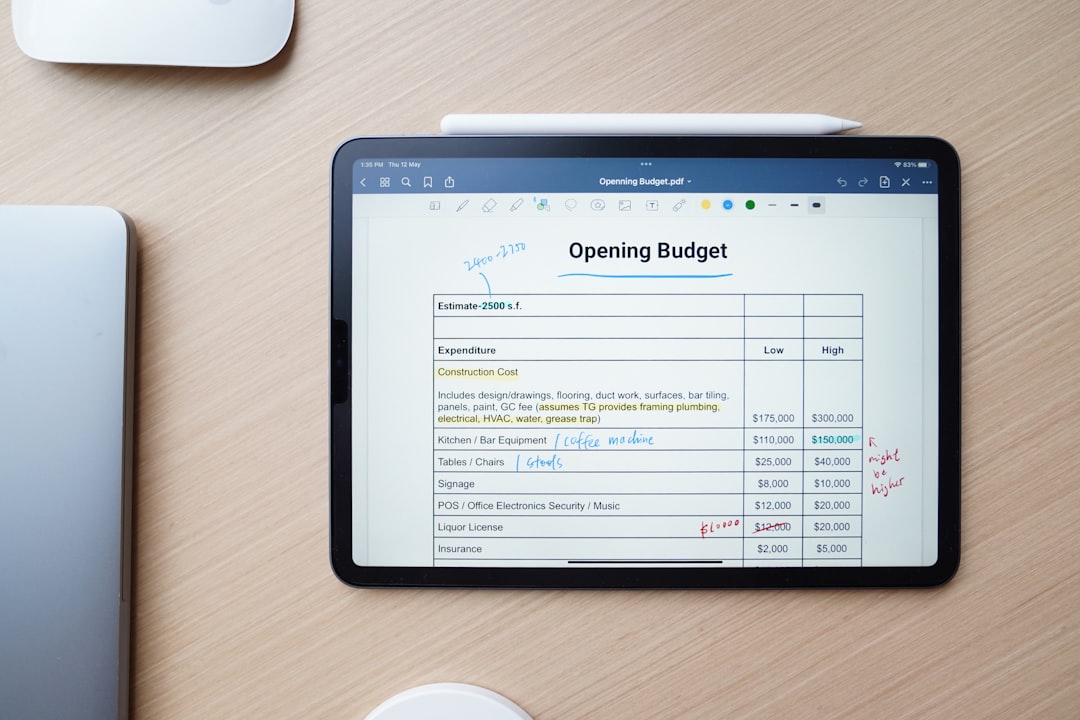
    Photo by GoodNotes 5 on Unsplash

  • Introduction to Sustainable Money Systems

    Introduction to Sustainable Money Systems

    Imagine if managing your finances was as effortless as breathing. While it may sound like a dream, creating a sustainable money system can make this a reality. By designing a system tailored to your lifestyle and financial goals, you’ll take control of your wealth-building journey. This guide will introduce you to the principles of a sustainable money system and how you can start crafting one today.

    What is a Sustainable Money System?

    A sustainable money system is not just a budget or a savings plan. It’s a holistic approach to managing your finances, ensuring that your money habits support your long-term goals without overwhelming you. Think of it as your personal financial ecosystem, where every component—from spending to investing—is interconnected and balanced.

    Unlike quick-fix financial strategies, a sustainable money system focuses on longevity and resilience. It’s about building a financial path that adapts to life’s changes while keeping you on track for growth.

    Core Principles of a Sustainable Money System

    To develop a sustainable money system, consider integrating these core principles:

    Consistency Over Perfection

    Consistency in implementing small, manageable financial habits often outweighs the pursuit of perfection. For example, setting up automatic contributions to savings or investments ensures regular growth without needing daily oversight. Remember, it’s better to save a steady amount monthly than to aim for large, irregular contributions.

    Adaptability and Flexibility

    Your financial needs and circumstances will evolve over time. A sustainable money system remains flexible, allowing you to adjust your strategies as needed. Say you receive a raise at work; your system should accommodate increased savings or investment contributions without disrupting your lifestyle.

    Alignment with Personal Values

    Your financial system should reflect what’s important to you. If travel is a priority, incorporate a travel fund into your budget. If sustainability matters, consider investments in eco-friendly funds. Aligning your finances with your values ensures that your money works to enhance your life, not just your net worth.

    Building Your Sustainable Money System

    Now that you understand the principles, let’s explore how to build your sustainable money system step by step.

    1. Assess Your Current Financial Landscape

    Begin by reviewing your current financial situation. List all sources of income, track your expenses, and evaluate your savings and debt. This snapshot will help you identify areas of strength and opportunities for improvement.

    2. Set Clear, Achievable Goals

    Define what financial success looks like for you. Is it early retirement, home ownership, or simply living debt-free? Break these goals into smaller, actionable steps that are easier to achieve and measure. For instance, if your goal is to retire early, calculate how much you need to save annually and adjust your contributions accordingly.

    3. Create a Realistic Budget

    Your budget is the backbone of a sustainable money system. It should reflect your income, essential expenses, and savings goals while leaving room for discretionary spending. Use budgeting tools or apps to help you track and adjust your spending habits. Remember, the goal is to create a budget that you can stick to long-term, not one that feels restrictive.

    4. Automate Your Financial Processes

    Leverage technology to automate savings, bill payments, and investments. Automation reduces the likelihood of human error and ensures consistency. Setting up automatic transfers to your savings account or investment portfolio can help you stay on track without constant manual intervention.

    5. Regularly Review and Adjust

    Your sustainable money system isn’t static. Life events, such as a new job or family changes, can impact your financial situation. Schedule regular reviews to assess your progress and make necessary adjustments. This proactive approach keeps your system aligned with your evolving goals and circumstances.

    Real-Life Examples of Sustainable Money Systems

    Consider the story of Sarah, a young professional who transformed her financial life by implementing a sustainable money system. She started by automating her savings and investments, which allowed her to slowly build a significant emergency fund and retirement portfolio. By aligning her spending with her values—opting for quality over quantity—she reduced unnecessary expenses and focused on meaningful experiences. Sarah’s system was adaptable, helping her weather job changes and personal milestones without financial stress.

    Another example is the Johnson family, who prioritized financial independence. They set up a system where they lived on one income while saving the other. This approach not only accelerated their journey to financial independence but also provided a cushion for unexpected expenses.

    Conclusion

    Creating a sustainable money system is a journey that requires patience, consistency, and a willingness to adapt. By embracing these principles and tailoring them to your unique circumstances, you’ll build a financial foundation that supports your long-term goals and enhances your life. Remember, the goal is not just to accumulate wealth but to do so in a way that feels natural and fulfilling. Start small, stay consistent, and watch your financial ecosystem flourish.

    Photo by Kevin Lehtla on Unsplash