Author: Calm Wealth Team

  • Opinion — Why Mindful Investing Will Dominate 2026

    Opinion — Why Mindful Investing Will Dominate 2026

    As we move toward 2026, the concept of mindful investing is poised to become the dominant strategy for savvy investors. This growing trend emphasizes the importance of aligning one’s investments with personal values, long-term goals, and a deep awareness of financial ecosystems. By incorporating mindfulness into investment strategies, investors can not only enhance their financial returns but also contribute to a more sustainable and ethical economy.

    The Rise of Mindful Investing in 2026

    Mindful investing is not just a passing trend. It represents a fundamental shift in how individuals approach their financial decisions. In the fast-paced, often volatile world of investing, this approach offers a way to slow down and make more thoughtful choices. For many, the allure of quick profits through speculative investments is losing its sheen, replaced by a desire for stability and ethical growth. This shift is particularly relevant in the context of global challenges such as climate change, social inequality, and economic instability.

    Why Mindful Investing Matters

    Incorporating mindfulness into investing practices is crucial for several reasons. First, it aligns investments with personal values, which can foster a sense of purpose and satisfaction beyond financial gains. This alignment can encourage deeper engagement and commitment to investment strategies. Moreover, mindful investing has the potential to reduce stress. By focusing on long-term goals and ethical considerations, investors can avoid the anxiety of daily market fluctuations and impulsive decision-making.

    Additionally, the mindful investing trend in 2026 is expected to drive significant capital toward sustainable and socially responsible companies. As more investors prioritize environmental, social, and governance (ESG) criteria, this can lead to a stronger emphasis on corporate accountability and ethical business practices. This shift is not only beneficial for the planet and society but also for investors who seek stable, long-term growth.

    Supporting Evidence for Mindful Investing

    One compelling reason for the rise of mindful investing is the increased availability of data and tools that enable investors to evaluate the ethical impact of their portfolios. Platforms that provide insights into ESG factors are becoming more sophisticated, allowing investors to make informed decisions that align with their values.

    Additionally, case studies of investors who have adopted mindful investing strategies reveal promising outcomes. For example, portfolios that emphasize sustainable practices often demonstrate resilience during market downturns. This resilience is attributed to the strong fundamentals of companies that prioritize long-term value over short-term profit.

    Challenges and Counter-Arguments

    Critics of mindful investing might argue that it limits investment opportunities and could potentially reduce returns. They suggest that focusing too heavily on ethical considerations might lead to missed opportunities in high-growth sectors that do not yet meet ESG criteria. However, this perspective often overlooks the evolving nature of these sectors and the increasing demand for sustainable practices.

    Furthermore, while some may view mindful investing as a niche market, the growing consumer demand for transparency and ethical responsibility is likely to expand opportunities within this space. As more companies adapt to these expectations, investors stand to benefit from early involvement in industries poised for long-term growth.

    The Verdict on Mindful Investing

    The mindful investing trend in 2026 represents a profound evolution in how we approach our financial futures. By prioritizing ethics and long-term stability, investors can achieve not only financial success but also contribute to a more equitable and sustainable world. As this approach gains traction, it will likely redefine the landscape of investing, making it an essential consideration for forward-thinking investors.

    In conclusion, as you contemplate your investment strategies, consider the benefits of incorporating mindfulness into your financial decisions. With its potential to provide both emotional and financial rewards, mindful investing is more than a trend. It’s a transformative approach that promises to shape the future of finance. Embrace this shift and align your investments with your values and the broader goals of society.

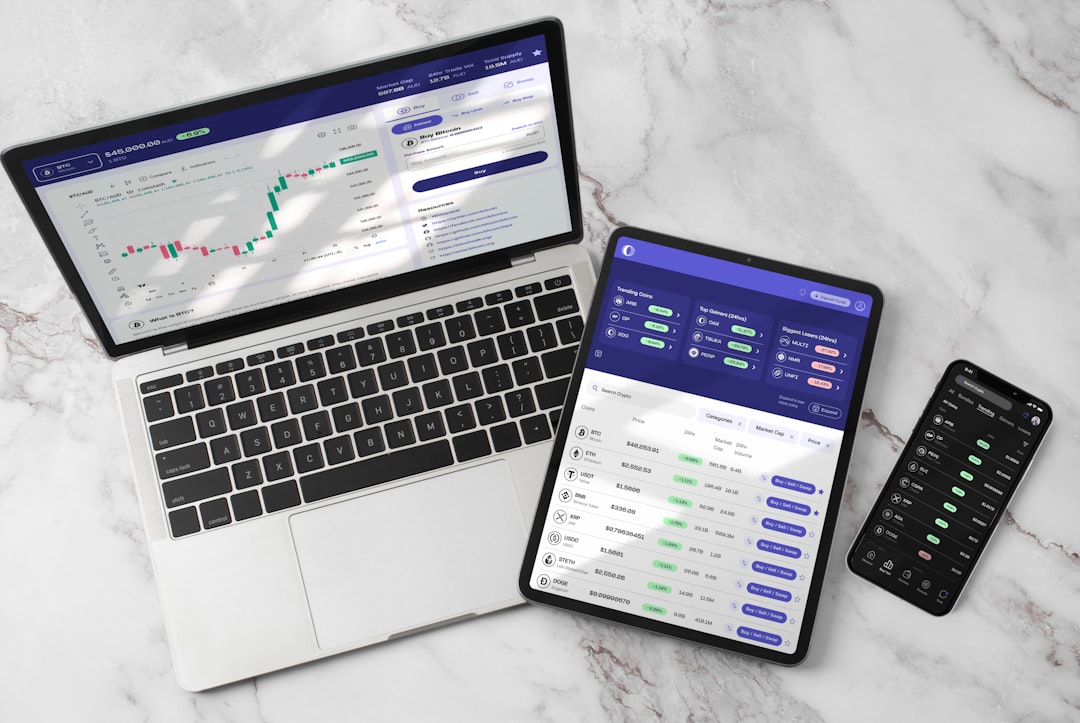
    Photo by Brett Jordan on Unsplash

  • Case Study — Achieving Financial Independence Through Mindfulness

    Case Study — Achieving Financial Independence Through Mindfulness

    Imagine achieving financial independence through mindfulness, a journey that not only promises economic freedom but also aligns with your core values and emotional well-being. This case study explores how one individual transformed their financial life by integrating mindful practices, leading to a more balanced and stress-free path to wealth.

    The Starting Point

    Meet Laura, a 35-year-old marketing professional living in Seattle. Like many, she felt trapped in the cycle of paycheck-to-paycheck living, despite earning a decent salary. Her financial habits were driven by impulse, often leading to end-of-month stress and little to no savings. Laura realized that her approach to money was reactive rather than proactive, and this was affecting her overall happiness and sense of security.

    Understanding the Challenge

    The obstacle Laura faced was multifaceted. It wasn’t just about overspending. It was about the underlying anxiety and lack of control that her financial situation imposed on her life. With a student loan debt of $30,000 and minimal savings, Laura’s challenge was to find a way to manage her finances that didn’t feel restrictive or overwhelming. The stress of financial instability was affecting her personal relationships and career satisfaction.

    Implementing Mindful Strategies

    Laura’s solution began with education. She started reading about financial independence through mindfulness, eager to integrate these principles into her life. Her first step was creating a detailed budget that prioritized needs over wants. But unlike traditional budgeting methods, Laura focused on understanding the ‘why’ behind her spending habits. She attended workshops and practiced techniques like mindful meditation to become more aware of her financial triggers.

    Laura also embraced the concept of intentional spending. She asked herself questions like “Does this purchase align with my long-term goals?” before making any financial decision. This approach helped her cut down unnecessary expenses by 20% within the first three months.

    Investing was another area where Laura applied mindfulness. She shifted from impulsive stock purchases to a disciplined investment strategy, focusing on index funds aligned with her values. This not only diversified her portfolio but also reduced the emotional rollercoaster she previously experienced with market fluctuations.

    Measurable Outcomes

    In just two years, Laura’s mindful approach led to significant changes. She paid off her student loans entirely, built an emergency fund worth six months of living expenses, and grew her investment portfolio by 40%. Most importantly, her stress levels decreased, and her satisfaction with life increased, as she felt more in control and aligned with her values.

    Lessons Learned

    • Align Spending with Values: Understanding what truly matters to you can help eliminate unnecessary expenses.
    • Practice Self-awareness: Regularly reflect on your financial habits to identify triggers and areas for improvement.
    • Prioritize Education: Equip yourself with knowledge about mindful financial practices and investment strategies.
    • Set Clear Goals: Define what financial independence looks like for you to create a roadmap that is both motivating and achievable.
    • Embrace Flexibility: Life changes, and so should your financial plan. Be open to adjusting your strategies as needed.

    What This Means for You

    Laura’s journey illustrates that financial independence through mindfulness is not only achievable but also profoundly enriching. By integrating mindful practices, you can transform your relationship with money, reduce stress, and align your financial journey with your personal values. Whether you aim to pay off debt, build wealth, or simply find peace of mind, mindfulness provides a sustainable path to financial prosperity. As you consider your financial future, remember that the key lies in conscious decision-making and aligning your financial habits with what truly matters to you.

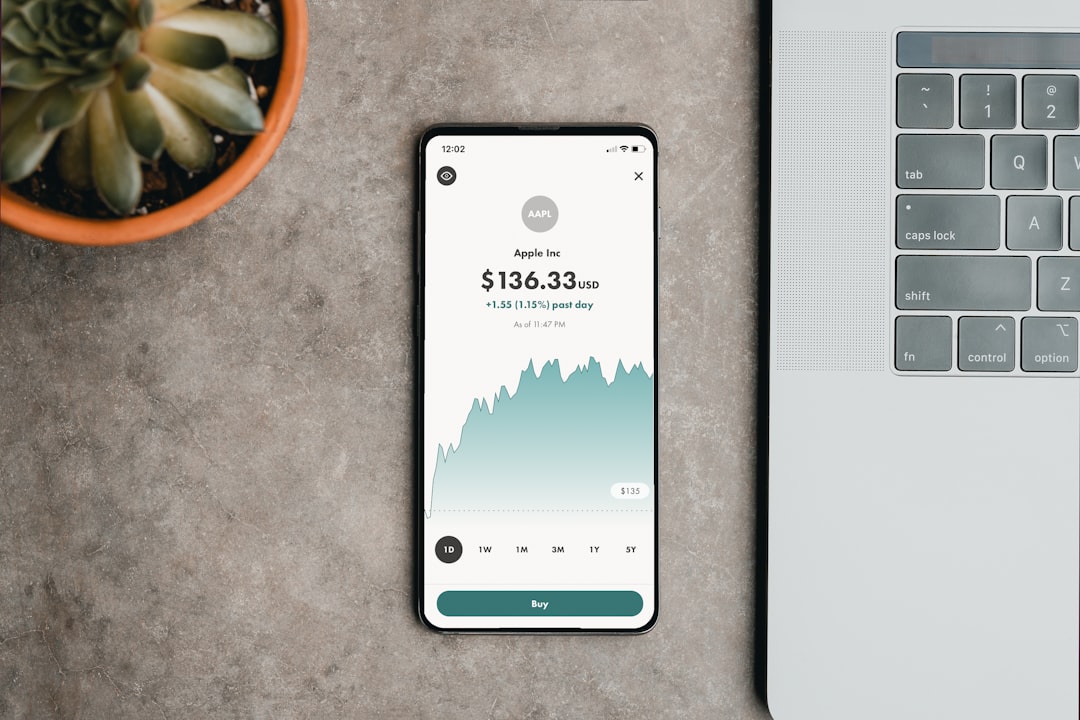
    Photo by Markus Winkler on Unsplash

  • Mindful Saving vs Automatic Saving — Which is Better for You?

    Mindful Saving vs Automatic Saving — Which is Better for You?

    Choosing between mindful saving and automatic saving can be a pivotal decision in managing your finances effectively. Both strategies offer distinct benefits and cater to different financial habits. As more people strive for financial wellness, understanding these approaches can help you align your saving habits with your personal goals. Whether you’re seeking more control over your finances or looking for an effortless way to save, this comparison will illuminate which path is better suited for your needs.

    Understanding Mindful Saving vs Automatic Saving

    Mindful Saving relies on conscious decision-making and self-awareness. It involves regularly reflecting on your financial goals and making intentional choices about where to allocate your money. This approach encourages you to be present with your spending and saving habits, fostering a deeper connection with your financial decisions. It’s ideal for those who prefer to have hands-on control and enjoy the act of actively managing their money.

    Automatic Saving, on the other hand, sets in motion a system where a predetermined amount is transferred from your checking account to your savings account at regular intervals. This “set it and forget it” strategy minimizes the need for constant decision-making, making it easier to save consistently without the temptation of spending that money. It’s particularly beneficial for individuals who struggle to set aside money regularly or who prefer a more hands-off approach.

    Mindful Saving vs Automatic Saving — A Head-to-Head Comparison

    Involvement and Control

    Mindful saving offers a high degree of involvement, which can be empowering for those who enjoy being actively engaged in their financial decisions. It requires you to routinely assess your financial status and make decisions based on your current and future needs. This involvement can lead to a greater sense of control and satisfaction, knowing that each decision aligns with your personal values.

    Automatic saving minimizes the need for active involvement. Once set up, it runs in the background, freeing you from the need to make frequent saving decisions. This can be particularly appealing to those with busy lifestyles or those who find the discipline of regular saving challenging.

    Flexibility and Adaptability

    Mindful saving is inherently flexible. It allows you to adapt your saving strategies as your financial situation or goals change. If you experience a sudden increase in expenses or decide to save for a new goal, you can easily adjust your saving patterns in response.

    Automatic saving is less flexible in that it requires manual adjustments if your financial circumstances change. While you can alter the saving amounts or frequency, it doesn’t automatically adapt to changes in your income or expenses.

    Consistency and Discipline

    Mindful saving relies heavily on personal discipline. The success of this approach depends on your ability to consistently make intentional saving decisions. While it can foster strong financial habits, it may not provide the same level of consistency if you struggle with self-discipline.

    Automatic saving excels in consistency. By automatically transferring funds at regular intervals, it ensures that savings occur consistently, regardless of daily spending habits. This can be particularly advantageous for those who find it difficult to save regularly on their own.

    Psychological Impact

    Mindful saving can have a positive psychological impact by enhancing your financial awareness and promoting a sense of accomplishment. Actively choosing where your money goes can lead to greater satisfaction and less stress about finances.

    Automatic saving reduces the cognitive load associated with saving decisions by automating the process. This can alleviate stress and make saving feel less burdensome, but it may also lead to a disconnect from your financial goals if you’re not regularly reviewing them.

    Verdict — Which One is Right for You?

    If you value control and enjoy the process of actively managing your finances, mindful saving may be the better option. It allows you to tailor your saving strategy to fit your personal goals and lifestyle changes. However, if you seek a simple and consistent saving method that requires less daily involvement, automatic saving might be more suitable. It ensures that your savings grow without the need for constant attention.

    Final Thoughts on Mindful Saving vs Automatic Saving

    Ultimately, the choice between mindful saving and automatic saving depends on your personal preferences and financial goals. Both strategies can effectively contribute to your financial wellness when aligned with your needs. Consider your lifestyle, discipline, and desire for control when deciding which approach to adopt. By understanding the nuances of each method, you can make an informed decision that supports your journey towards financial independence and peace of mind.

    Photo by Towfiqu barbhuiya on Unsplash

  • How to Create a Mindful Spending Plan Without Sacrificing Fun

    How to Create a Mindful Spending Plan Without Sacrificing Fun

    Creating a mindful spending plan without sacrificing fun is a goal many of us share. It’s about striking a balance between being financially responsible and enjoying life’s pleasures. If you’ve ever felt guilty about splurging or worried about your financial future, this guide is for you. Let’s explore how to have a budget-friendly lifestyle that doesn’t compromise on joy.

    To create a mindful spending plan without sacrificing fun, focus on aligning your purchases with your values and priorities while allowing space for enjoyment. This approach ensures your financial health while keeping your life fulfilling.

    Understanding Your Financial Landscape

    Before diving into the specifics of a mindful spending plan, it’s essential to understand the current state of your finances. Knowing where you stand helps you make informed decisions about where your money should go.

    1. Assess Your Income and Expenses: Start by listing all your sources of income and tracking your expenses for a few months. Use budgeting apps or simple spreadsheets to categorize your spending and identify areas for improvement.
    2. Identify Non-Negotiable Expenses: These include rent, utilities, groceries, and other essential bills. Knowing these costs helps you determine how much flexibility you have with discretionary spending.
    3. Set Clear Goals: Define what financial success looks like for you. Whether it’s saving for a trip, paying off debt, or building an emergency fund, having clear goals will guide your spending choices.

    Creating Your Mindful Spending Plan Without Sacrificing

    With a clear understanding of your financial situation, you can now build a spending plan that aligns with your values. Here’s how to do it effectively:

    1. Prioritize Your Values: Reflect on what truly matters to you. Is it traveling, dining out, or investing in hobbies? Allocate funds to these areas while cutting back on less meaningful expenses.
    2. Implement the 50/30/20 Rule: Use this simple budgeting framework to allocate 50% of your income to essentials, 30% to wants, and 20% to savings and debt repayment. Adjust the percentages based on your personal priorities.
    3. Set Fun Money Aside: Designate a specific amount each month for guilt-free spending. This could be for spontaneous outings or treating yourself, ensuring that you’re living joyfully without financial stress.
    4. Practice Conscious Spending: Before making a purchase, ask yourself if it brings you joy or supports your goals. This practice helps avoid impulse buys and aligns spending with your values.
    5. Review and Adjust Regularly: Life changes, and so should your budget. Set monthly check-ins to review your spending plan, celebrate successes, and adjust where necessary.

    Common Pitfalls and How to Avoid Them

    Navigating the world of mindful spending isn’t without its challenges. Here are some common mistakes and how to avoid them:

    • Over-Restricting Yourself: While it’s important to save, being too strict can lead to burnout. Allow some flexibility and treat yourself occasionally to maintain balance.
    • Ignoring Small Purchases: These can add up quickly and derail your budget. Track every expense, no matter how small, to maintain control over your finances.
    • Not Involving Your Partner or Family: Financial decisions affect everyone in your household. Ensure everyone is on board with the plan to avoid conflicts and ensure consistency.

    Living a Balanced Financial Life

    By creating a mindful spending plan without sacrificing fun, you’re setting yourself up for both financial stability and personal satisfaction. This approach allows you to enjoy the present while planning for the future. With conscious spending and regular adjustments, you can live a rich and fulfilling life without financial guilt.

    Photo by Katie Harp on Unsplash

  • Best Free Mindfulness Apps for Financial Wellness 2026

    Best Free Mindfulness Apps for Financial Wellness 2026

    In a world where financial stress is an all-too-common companion, integrating mindfulness into financial management can be a significant shift. Free mindfulness apps for financial wellness offer a way to merge these two aspects, providing tools that help you stay calm and focused while making smart money decisions. These apps are designed to enhance your financial wellness by promoting mindful spending, saving, and investing habits. Let’s explore some of the best options available in 2026.

    For those seeking a seamless blend of mindfulness and financial management, Mindful Money stands out. This app provides daily reminders and practices that encourage thoughtful financial decisions, helping users align their spending with long-term goals.

    Top Free Mindfulness Apps for Financial Wellness

    1. Mindful Money

      This app is designed to integrate mindfulness practices with financial management. It offers daily prompts and exercises that guide users in making thoughtful spending decisions. What sets Mindful Money apart is its focus on aligning financial actions with personal values, which can lead to more intentional and satisfying financial habits.

    2. Savings Sage

      Savings Sage turns saving money into a mindful practice. The app uses meditation techniques to help users set and achieve savings goals without feeling deprived. Its unique approach lies in its ability to make saving a positive and stress-free experience, promoting financial wellness over time.

    3. Balance Beam

      Balance Beam offers a holistic approach to financial wellness by focusing on both mindfulness and budgeting. The app provides guided sessions that encourage reflection on spending habits, helping users create a budget that supports their lifestyle without unnecessary stress. Its standout feature is the seamless integration of mindfulness into practical budgeting tools.

    4. Invest Mindfully

      Invest Mindfully is tailored for individuals looking to bring a mindful approach to their investment strategies. It offers insights into balancing risk and reward, encouraging users to consider both financial outcomes and personal values. Its focus on mindful investing helps users make informed and satisfying investment decisions.

    5. Calm Wallet

      Calm Wallet combines mindfulness techniques with financial tracking to help users stay aware of their spending patterns. The app uses gentle reminders to keep financial goals in focus, making it easier to avoid impulsive purchases. Its ability to foster a calm and controlled approach to money management makes it a favorite among users seeking financial wellness.

    Summary of App Features

    App Main Feature Unique Aspect
    Mindful Money Daily mindfulness prompts Aligns actions with values
    Savings Sage Guided savings meditations Makes saving stress-free
    Balance Beam Budgeting and mindfulness Holistic financial approach
    Invest Mindfully Risk-reward balance Values-driven investment
    Calm Wallet Spending awareness Focuses on impulsive control

    Choosing the right app depends on your unique financial needs. If aligning spending with personal values is your priority, Mindful Money is a great choice. For those focused on stress-free saving, Savings Sage may be the ideal fit. Balance Beam suits individuals seeking a balanced approach to budgeting, while Invest Mindfully is perfect for mindful investors. Finally, Calm Wallet is best for anyone looking to control impulsive spending. Each of these free mindfulness apps for financial wellness offers a unique path to achieving financial peace in 2026.

    Photo by Dan Counsell on Unsplash

  • Best Free Tools to Track Your Investment Portfolio 2026

    Best Free Tools to Track Your Investment Portfolio 2026

    In the ever-evolving world of finance, having the right tools to manage your investment portfolio is crucial for maintaining financial health and achieving long-term wealth. As we look towards 2026, the range of free tools available to track your investment portfolio has expanded, offering investors more options to manage their assets with ease and precision. This guide explores the best free tools to track investment portfolio 2026, helping you make informed decisions without the stress of financial complexity.

    Top Pick — Personal Capital

    When it comes to free tools for monitoring your investment portfolio, Personal Capital stands out as a top choice. With its comprehensive dashboard, users can easily track and analyze their assets and liabilities. The tool’s intuitive interface provides insights into asset allocation, investment performance, and personalized financial advice, making it a favorite among investors seeking both simplicity and depth.

    Best Free Tools to Track Your Investment Portfolio 2026

    1. Personal Capital

    Personal Capital offers a holistic view of your financial life, integrating your investment accounts, bank accounts, and credit cards into one platform. Its standout feature is the investment checkup tool, which analyzes your portfolio’s performance and risk. This tool is ideal for those who want a comprehensive financial overview without getting bogged down in details.

    2. Mint

    Mint is well-known for its budgeting capabilities, but it also provides a robust platform for tracking investments. Users can link their investment accounts to view balances and transaction history in real time. The tool’s alerts and reminders help keep you on track with your financial goals, making it a great option for those who want a blend of budgeting and investment tracking.

    3. Yahoo Finance

    Yahoo Finance offers a simple yet effective way to track your investment portfolio. With its easy-to-use interface, you can monitor stocks, mutual funds, and ETFs. The real-time data and news updates keep you informed of market trends, making it an excellent tool for investors who prioritize staying updated on market movements.

    4. Morningstar Portfolio Manager

    Morningstar Portfolio Manager provides detailed analysis and insights into your portfolio’s performance. Its research-driven approach helps investors make informed decisions based on comprehensive data and reports. This tool is particularly useful for those who value in-depth analysis and want to take a methodical approach to managing their investments.

    5. SigFig

    SigFig offers a streamlined experience for tracking your investments. It syncs with your brokerage accounts to provide a real-time view of your portfolio’s performance. SigFig’s portfolio tracker also offers personalized recommendations to optimize your investments, making it a great choice for those who want actionable insights without the hassle.

    Summary of Differences

    Tool Key Features Best For
    Personal Capital Comprehensive dashboard, investment checkup Overall financial management
    Mint Integration with budgeting, real-time alerts Budget-focused investors
    Yahoo Finance Real-time data, market news Market-savvy investors
    Morningstar Portfolio Manager In-depth analysis, research reports Data-driven investors
    SigFig Real-time sync, personalized insights Investors seeking personalized advice

    Choosing the right tool to track your investment portfolio in 2026 depends largely on your personal financial goals and management style. For an all-encompassing view, Personal Capital remains a top choice. Mint is ideal for those who need budgeting capabilities alongside investment tracking, while Yahoo Finance suits those who want to stay updated with market trends. If you prefer a data-intensive approach, Morningstar Portfolio Manager is a solid option. Lastly, for those who appreciate personalized recommendations, SigFig delivers actionable insights. By selecting the right tool, you can effectively manage your investments with minimal stress, paving the way for financial harmony and growth.

    Photo by Coinstash Australia on Unsplash

  • Online Brokers vs Robo-Advisors for Young Investors 2026

    Online Brokers vs Robo-Advisors for Young Investors 2026

    In the evolving landscape of personal finance, young investors in 2026 are faced with a multitude of choices when it comes to managing their portfolios. Two popular options are online brokers and robo-advisors. Understanding the nuances between these platforms is crucial for making informed decisions that align with one’s investment goals. This article delves into the comparison of brokers vs robo-advisors 2026, providing insight for young investors seeking the best fit for their financial strategies.

    Understanding Online Brokers

    Online brokers have been a staple in the investment world for years, offering a platform where individuals can buy and sell a variety of securities such as stocks, bonds, ETFs, and mutual funds. These platforms are typically favored by investors who prefer a hands-on approach to managing their portfolios. With features like advanced research tools, real-time data, and customizable interfaces, online brokers cater to those who enjoy the process of analyzing markets and making independent investment decisions.

    Exploring Robo-Advisors

    Robo-advisors have gained significant traction in recent years, appealing to investors seeking a more automated and less hands-on approach. By utilizing algorithms, these platforms create and manage investment portfolios based on an individual’s risk tolerance, financial goals, and time horizon. Robo-advisors are known for their affordability, convenience, and the ability to provide diversified portfolios without requiring extensive financial knowledge from the investor.

    Comparing Brokers vs Robo-Advisors 2026

    Cost and Fees

    One of the primary considerations for young investors is the cost associated with each platform. Online brokers often charge per-trade fees and may have additional costs for premium tools or services. In contrast, robo-advisors typically charge a flat annual fee based on the assets under management, making them a cost-effective choice for those with smaller portfolios. However, as portfolios grow, the percentage-based fee could become significant.

    User Experience and Accessibility

    Online brokers are designed for users who appreciate a high level of control and customization, often featuring complex interfaces that can be overwhelming for beginners. In contrast, robo-advisors offer a streamlined, intuitive user experience, ideal for those who prefer a simple, hassle-free investment process. The ease of use provided by robo-advisors is particularly appealing to tech-savvy young investors who value efficiency.

    Investment Control and Flexibility

    For investors who wish to have complete control over their investment choices, online brokers are the clear winner. They allow for the selection of specific securities and the implementation of complex trading strategies. Robo-advisors, while offering some level of customization, primarily focus on automated portfolio management, which might not satisfy those seeking more direct involvement in their investment decisions.

    Advice and Support

    When it comes to support, online brokers often provide access to human advisors, but this service may come at an additional cost. In contrast, robo-advisors offer digital advice based on algorithms, which can be beneficial for straightforward, long-term investment strategies. However, for complex financial planning, young investors might find the human touch offered by brokers more reassuring.

    Verdict — Choosing the Right Platform

    Deciding between online brokers and robo-advisors ultimately depends on the individual needs and preferences of young investors. Those who enjoy a hands-on approach, value in-depth market analysis, and wish to execute complex trades may find online brokers more suitable. Conversely, investors seeking a low-cost, automated solution with minimal involvement might prefer robo-advisors.

    For many young investors, starting with a robo-advisor to build a foundational portfolio can provide a great balance of affordability and ease. As their confidence and understanding of the market grow, transitioning to an online broker could offer more control and opportunities for personalized investment strategies.

    In conclusion, the choice of brokers vs robo-advisors 2026 is not one-size-fits-all. By evaluating the costs, user experience, control, and support offered by each platform, young investors can make informed decisions that align with their long-term financial goals and strategies.

    Photo by collier finance on Unsplash

  • How to Save for Retirement Without Sacrificing Lifestyle

    How to Save for Retirement Without Sacrificing Lifestyle

    Many people struggle with the challenge of saving for retirement without sacrificing their current lifestyle. It’s a common pain point — the desire to enjoy life today while also ensuring a secure financial future. Thankfully, there are strategic ways to balance these two priorities, allowing you to save for retirement without giving up the lifestyle you enjoy.

    In essence, the secret lies in implementing smart financial strategies that optimize your savings potential while maintaining your quality of life.

    How to Save for Retirement Without Sacrificing Lifestyle

    To effectively save for retirement without compromising your lifestyle, you’ll need a plan that integrates both your current financial needs and your future goals. Here’s a step-by-step guide to help you achieve this balance.

    Prerequisites for Success

    Before diving into the steps, ensure you have a clear understanding of your financial landscape. This includes knowing your income, expenses, debts, and existing savings. A realistic assessment of these elements is crucial for creating a sustainable plan.

    1. Set Clear Retirement Goals

      Determine how much money you’ll need for retirement. Consider factors such as the age you plan to retire, expected longevity, desired lifestyle, and any potential healthcare costs. Use a retirement calculator to get a rough estimate of your target savings.

    2. Create a Detailed Budget

      Develop a budget that aligns with your financial goals. Identify areas where you can reduce unnecessary spending without affecting your lifestyle significantly. Redirect these savings towards your retirement fund.

    3. Automate Your Savings

      Set up automatic transfers from your checking account to a retirement savings account. This ‘set it and forget it’ approach ensures consistent contributions without requiring constant attention.

    4. Maximize Employer Benefits

      If your employer offers a 401(k) or similar retirement plan, contribute enough to get the full company match. This is essentially free money that can significantly boost your retirement savings.

    5. Invest Wisely

      Choose investment options that offer growth potential while matching your risk tolerance. Diversified portfolios can provide a balance between risk and return, helping grow your savings over time without undue stress.

    6. Explore Additional Income Streams

      Consider passive income opportunities or side hustles that don’t interfere with your lifestyle. The extra income can be funneled directly into your retirement savings.

    Common Mistakes to Avoid

    • Neglecting to Review and Adjust the Plan

      Regularly review your financial plan and adjust it as needed to stay on track with your goals. Life changes, and so should your strategy.

    • Overlooking Tax-Efficient Investment Options

      Utilize tax-advantaged accounts like IRAs or Roth IRAs to maximize your tax savings and increase your retirement funds.

    • Ignoring Lifestyle Inflation

      As your income increases, avoid proportionately increasing your spending. Instead, increase your savings rate to boost your retirement fund.

    By following these steps and avoiding common pitfalls, you can successfully save for retirement without sacrificing your lifestyle. This approach not only ensures a comfortable future but also allows you to enjoy your present life without financial stress. Implement these strategies and take control of your financial journey, knowing you’re well on your way to a fulfilling and secure retirement.

    Photo by Katie Harp on Unsplash

  • Best Free Financial Planning Apps for Beginners 2026

    Best Free Financial Planning Apps for Beginners 2026

    In today’s fast-paced financial landscape, managing your finances effectively is more important than ever. As we head into 2026, the demand for accessible and user-friendly financial planning tools continues to grow. For beginners, navigating the myriad of options can be daunting. Thankfully, there are numerous free financial planning apps available that can simplify this process, helping you create and stick to a simple, effective financial plan.

    If you’re looking for a quick recommendation, Mint stands out as an all-in-one financial planning app. Known for its comprehensive features and ease of use, Mint offers a robust solution for budgeting, tracking expenses, and planning for future financial goals.

    Top Free Financial Planning Apps for Beginners 2026

    1. Mint

    Mint remains a favorite for many with its intuitive interface and comprehensive suite of tools. It allows users to link their bank accounts, credit cards, and investments in one place, giving a holistic view of their financial situation. With personalized tips for saving and budgeting, Mint is an excellent choice for beginners looking to gain control over their finances.

    2. Personal Capital

    Personal Capital offers more than just budgeting tools; it provides a detailed overview of your investments and net worth. Ideal for those who already have some investments and want to manage them alongside their daily finances, this app combines powerful finance management with investment tracking. The app’s dashboard is particularly useful for those who need a clear picture of their financial health.

    3. YNAB (You Need A Budget)

    While YNAB is technically a paid service, it offers a free trial period that could be beneficial for beginners to explore its unique budgeting philosophy. YNAB focuses on proactive budgeting, encouraging users to plan for every dollar they earn. This approach can be particularly effective for those looking to establish disciplined financial habits from the start.

    4. PocketGuard

    Designed for simplicity, PocketGuard helps users easily track spending and savings. The app automatically categorizes expenses and shows how much spendable cash you have after accounting for bills, goals, and necessities. It’s perfect for those who want a straightforward, no-frills approach to maintaining daily financial health without getting into complex investments.

    5. Goodbudget

    Goodbudget is based on the envelope budgeting method, where users allocate money for different spending categories. This app is ideal for those who prefer a hands-on approach to budgeting and want to ensure they’re not overspending in any category. It’s especially helpful for managing shared finances in households.

    Comparison of Top Free Financial Planning Apps

    Each app caters to different aspects of financial planning:

    • Mint: Best for comprehensive budgeting and expense tracking.
    • Personal Capital: Ideal for investment tracking and net worth analysis.
    • YNAB: Great for proactive and disciplined budgeting, despite its cost after the trial.
    • PocketGuard: Perfect for simple, everyday budgeting and spending management.
    • Goodbudget: Excellent for envelope-style budgeting and shared finances.

    In conclusion, the best free financial planning apps of 2026 offer a variety of features to suit different needs. Beginners should consider their personal financial goals and choose an app that aligns with those objectives. Whether you need a comprehensive overview of your finances or a simple budgeting tool, there’s an app that can help you achieve financial harmony with ease.

    Photo by PiggyBank on Unsplash

  • High-Interest Savings Accounts vs. CDs for Passive Income 2026

    High-Interest Savings Accounts vs. CDs for Passive Income 2026

    In the quest for passive income, the debate between savings accounts vs CDs 2026 is pivotal for individuals seeking financial tranquility and growth. For those aiming to build a sustainable wealth portfolio with minimal stress, understanding these options is crucial. This guide will explore the benefits and drawbacks of high-interest savings accounts and Certificates of Deposit (CDs) to help you make an informed decision tailored to your financial goals.

    Understanding High-Interest Savings Accounts

    High-interest savings accounts provide a flexible, accessible means to grow your savings while enjoying liquidity. With competitive interest rates, these accounts offer a straightforward way to earn passive income. They are ideal for individuals who value quick access to their funds without incurring penalties.

    An Overview of Certificates of Deposit (CDs)

    Certificates of Deposit, or CDs, are time-bound savings instruments that typically offer higher interest rates than regular savings accounts. In exchange for locking in your money for a specific period, usually ranging from a few months to several years, you can benefit from assured returns. CDs are suitable for those who can afford to set aside funds they won’t need immediate access to.

    Savings Accounts vs CDs 2026 — A Comparative Analysis

    Liquidity and Accessibility

    High-Interest Savings Accounts: These accounts shine in terms of liquidity. You can withdraw funds at any time without facing penalties, making them perfect for emergency savings or short-term goals.

    CDs: CDs require a commitment of funds for the duration of the term. Early withdrawal typically results in penalties, which makes them less suitable for situations where you might need immediate access to your money.

    Interest Rates and Returns

    High-Interest Savings Accounts: While these accounts offer competitive rates, the returns can fluctuate with market conditions. They provide a balance of reasonable interest with the flexibility of access.

    CDs: CDs generally offer higher fixed interest rates compared to savings accounts because of their long-term nature. This makes them an excellent option for those who prioritize guaranteed returns over immediate access.

    Risk and Security

    High-Interest Savings Accounts: These accounts are typically insured by the FDIC, offering a high level of security for deposits up to the insured limit. They are low-risk, making them a safe choice for most savers.

    CDs: Like savings accounts, CDs are also FDIC insured, providing similar security and low risk. The fixed interest rate adds an element of predictability to your financial planning.

    Flexibility in Terms

    High-Interest Savings Accounts: They offer unmatched flexibility with no specific term commitments. This is ideal for savers who anticipate needing their funds at unpredictable times.

    CDs: CDs require you to choose a fixed term, which can range from a few months to several years. While this limits flexibility, it encourages disciplined saving habits.

    Verdict — Which Option Suits You?

    If your priority is maintaining easy access to your funds while earning interest, a high-interest savings account is the way to go. It’s perfect for those who need liquidity alongside passive income. On the other hand, if you can commit to locking your funds for a set period in exchange for higher returns, CDs present a compelling choice for more disciplined savers.

    In conclusion, the choice between savings accounts vs CDs 2026 hinges on your financial goals and liquidity needs. By weighing the factors of access, return, and risk, you can align your passive income strategy with your broader wealth-building objectives, ensuring a calm and prosperous financial journey ahead.

    Photo by Sasun Bughdaryan on Unsplash