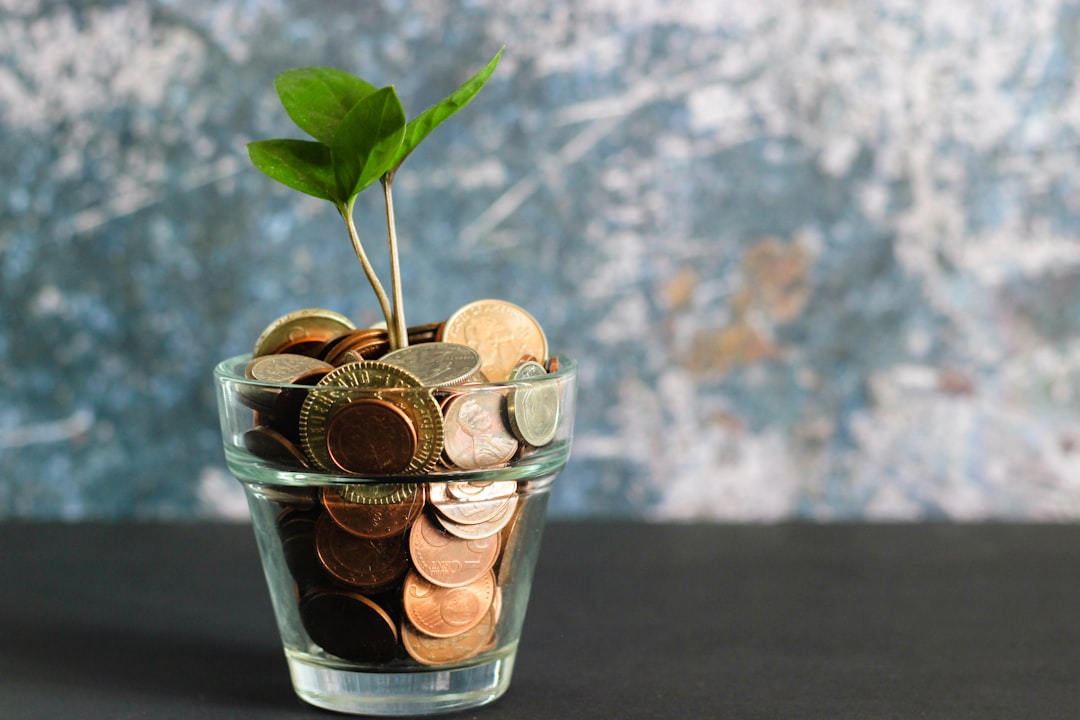
When we talk about building wealth, the conversation often veers towards the tangible aspects such as budgeting, saving, and investing. However, there’s an equally important but less discussed factor: your financial mindset. This isn’t just about being positive; it’s about cultivating a mindset that aligns with your financial goals and supports sustainable growth.
What is a Financial Mindset?
A financial mindset refers to the underlying beliefs and attitudes you hold regarding money and wealth. It’s the lens through which you view your financial decisions and behaviors. A healthy financial mindset can guide you toward making decisions that support your long-term goals, while a negative mindset may keep you stuck in patterns that hinder financial growth.
The Importance of a Financial Mindset
Consider the habits of individuals who have successfully built long-term wealth. More often than not, they possess a mindset that embraces discipline, patience, and a willingness to learn. This mindset is crucial because it influences every step you take on your financial journey. It’s not just about how much money you make, but how you manage it, grow it, and the peace of mind you maintain throughout.
Components of a Positive Financial Mindset
Embracing Financial Education
A strong financial mindset is rooted in continuous learning. Financial education empowers you to make informed decisions. Whether it’s understanding investment vehicles or mastering the art of budgeting, knowledge is truly power. For example, someone who understands the basics of compound interest is more likely to start investing early, thereby maximizing their wealth over time.
Patience and Long-term Thinking
Wealth doesn’t happen overnight. A patient approach, where you focus on long-term gains rather than short-term wins, is vital. Think of investing in the stock market: those who remain patient during market fluctuations often reap the benefits of compounding returns. The story of Warren Buffett comes to mind, as he has famously said, “The stock market is designed to transfer money from the Active to the Patient.”
Resilience in the Face of Setbacks
Financial setbacks are inevitable. Whether it’s an unexpected expense or a market downturn, how you react to these challenges can define your financial journey. Resilience means viewing setbacks as learning opportunities rather than insurmountable obstacles. This mindset shift can prevent emotional spending and hasty decisions.
Shifting from a Scarcity to Abundance Mindset
A scarcity mindset focuses on limitations, such as not having enough money or opportunities. In contrast, an abundance mindset sees possibilities and believes in growth. Shifting to an abundance mindset involves recognizing that wealth can be created and that there are enough resources for everyone to succeed.
Practical Steps to Cultivate an Abundance Mindset
-
Practice Gratitude: Regularly acknowledging what you have can shift focus from lack to abundance.
-
Set Realistic Goals: Clear, achievable goals can motivate and guide your journey.
-
Surround Yourself with Positivity: Engage with communities and resources that reinforce an abundance mindset.
Detaching Self-Worth from Net Worth
One of the most liberating shifts in financial mindset is understanding that your self-worth is not tied to your net worth. This detachment allows for healthier financial decisions, free from the pressures of comparison. It encourages you to make choices based on personal values and goals rather than societal expectations.
Real-Life Example — Sarah’s Journey
Sarah, a graphic designer, used to believe that her value was directly linked to her bank balance. This led to stress and impulsive financial decisions as she tried to “keep up” with her peers. Through financial education and mindset work, she learned to separate her self-worth from her net worth. Today, she focuses on sustainable growth and feels more at peace with her finances.
Taking Action
Understanding and developing a positive financial mindset is a journey. Start by reflecting on your current beliefs about money and consider how they align with your goals. Engage in financial education, practice patience, and cultivate resilience. Remember, wealth is as much about mindset as it is about money. By fostering a healthy relationship with money, you pave the way for calm and sustainable wealth growth.
Leave a Reply